Vaping vs. Smoking: Is “Safer” Actually Safe?
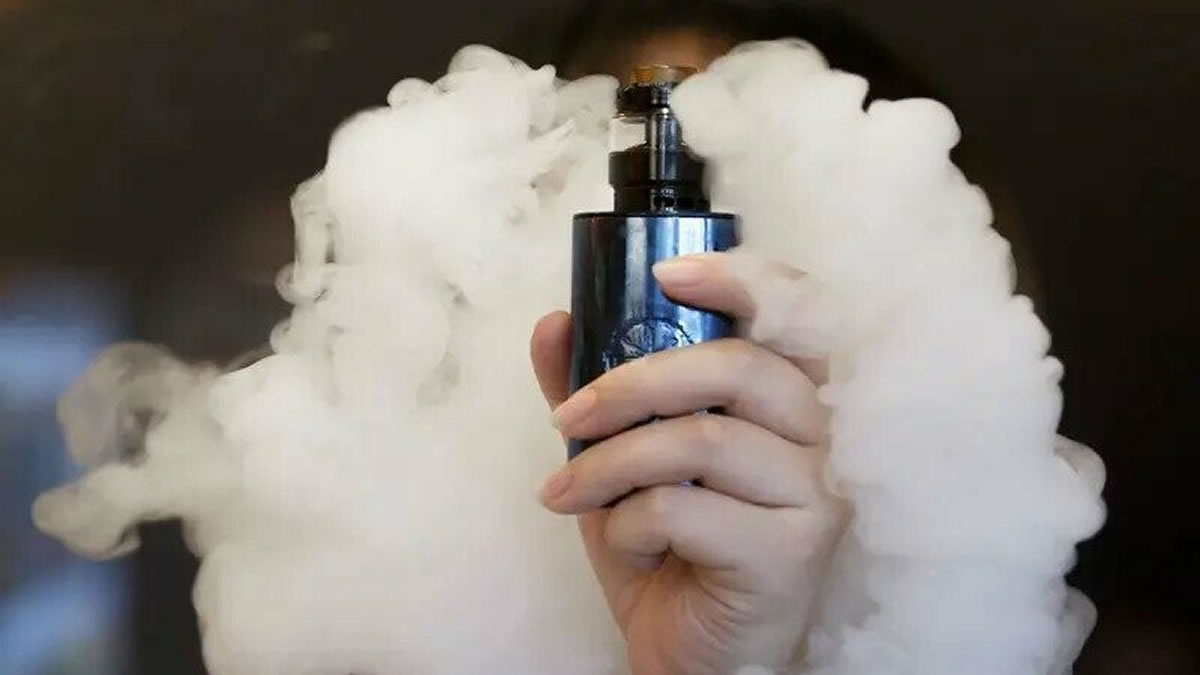
The debate between vaping and smoking often centers on the concept of “harm reduction,” but marketing claims have blurred the line between “safer” and “safe.” While vaping eliminates the combustion of tobacco—removing tar and carbon monoxide from the equation—it introduces a new spectrum of risks, including heavy metal exposure and nicotine addiction. For non-smokers and youth, the perception that vaping is harmless water vapor is a dangerous misconception that ignores the chemical reality of inhaling heated aerosols.
Key Takeaways
- Combustion vs. Aerosol: Smoking burns tobacco to create toxic tar; vaping heats liquid to create an aerosol containing nicotine and heavy metals.
- Nicotine Potency: Many vapes deliver nicotine levels equal to or higher than cigarettes, increasing addiction risk and affecting brain development.
- The “Flavor Trap”: Sweet flavors like mango and mint mask the harshness of chemicals, driving youth adoption in regions like Ghana.
- Dual Use Danger: Many smokers attempting to quit end up using both products (“dual use”), which maintains high health risks rather than reducing them.
- Second-Hand Risk: Exhaled vapor is not just water; it exposes bystanders to nicotine and ultrafine particles.
The Chemical Trade-Off: Smoke vs. Vapor
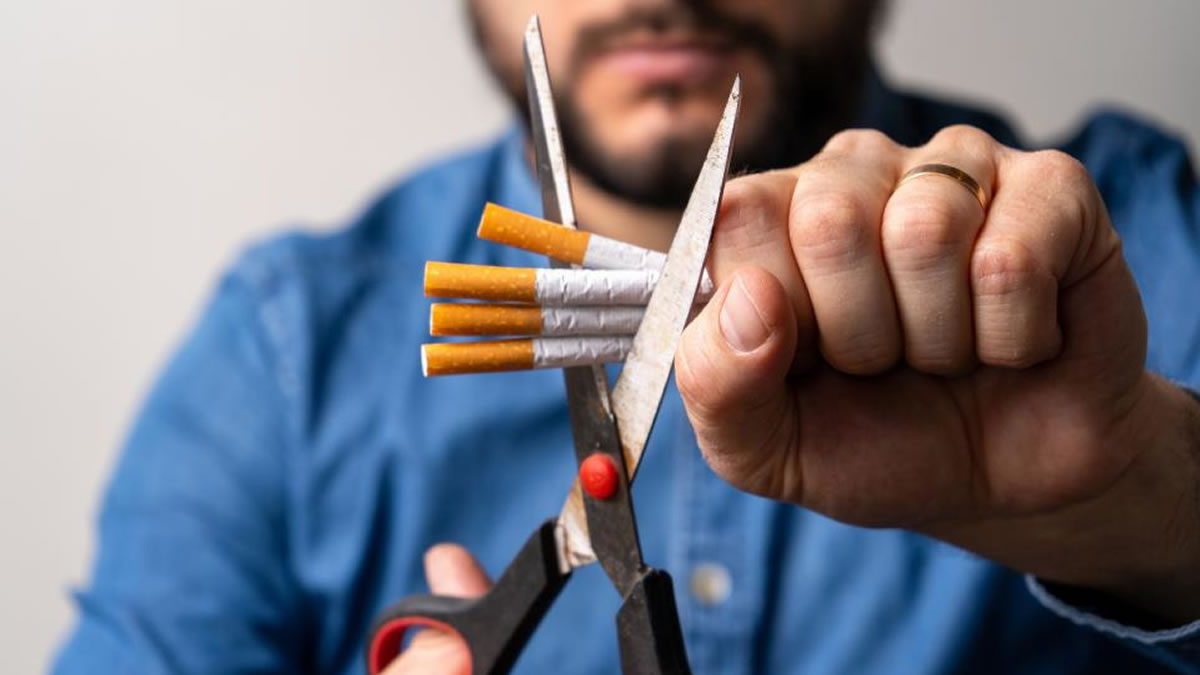
Examining the toxicology of both methods reveals a distinct trade-off. Smoking involves burning organic material, releasing thousands of chemicals, including known carcinogens like tar and carbon monoxide that damage nearly every organ. Vaping avoids this combustion, which generally results in fewer toxic substances. However, “fewer” does not mean “zero.”
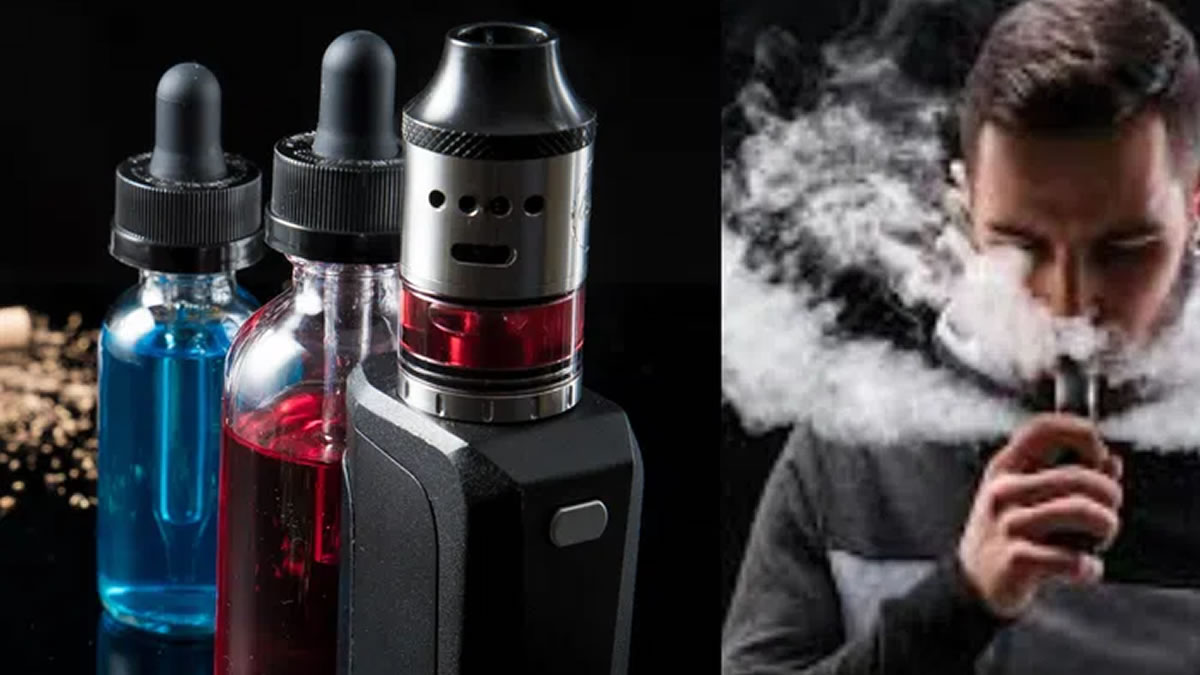
Vape aerosols contain their own hazardous profile, including heavy metals (leached from heating coils), ultrafine particles that penetrate deep into lung tissue, and volatile organic compounds. Research is ongoing, but early indicators suggest that inhaling these heated chemicals causes inflammation and lung damage, manifesting as persistent coughing, chest pain, and shortness of breath.
The Nicotine Misconception
A deep dive into product formulations shows that vapes are often more efficient nicotine delivery systems than traditional cigarettes. Because the vapor is smoother and cooler than smoke, users—especially young people—often consume higher quantities of nicotine without realizing it. This is critical because nicotine is not benign; it increases heart rate, spikes blood pressure, and permanently alters brain development in users under 25.
Comparison Matrix: Health Impacts
The following table breaks down the physiological differences between the two habits.
| Feature | Traditional Smoking | Electronic Vaping |
|---|---|---|
| Mechanism | Combustion (Burning) | Vaporization (Heating) |
| Primary Toxins | Tar, Carbon Monoxide | Heavy Metals, Ultrafine Particles |
| Nicotine Delivery | Fixed per cigarette | Variable; often higher concentration |
| Bystander Risk | Second-hand smoke (High risk) | Second-hand aerosol (Moderate risk) |
The Youth Appeal and Global Context
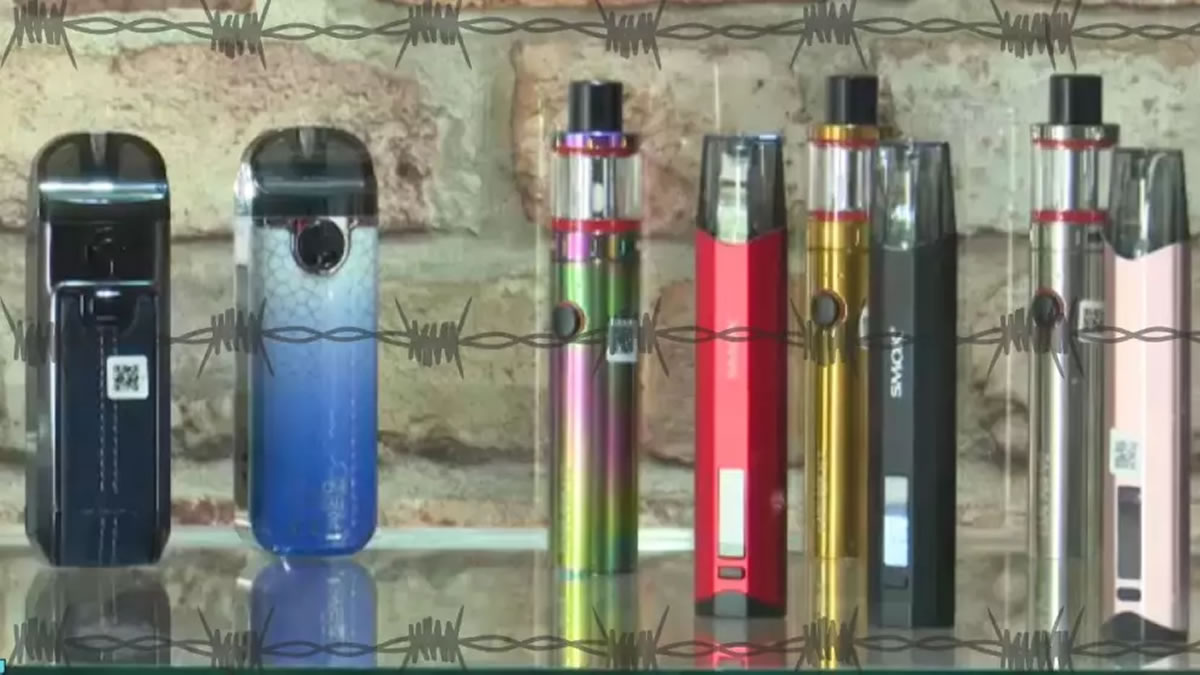
Tracking market trends in regions like Ghana reveals how flavors drive adoption. Products marketed with scents like strawberry, cola, or mint make the experience seem recreational rather than addictive. This “flavor masking” is a primary driver for teenagers who would never touch a combustible cigarette but view vaping as a trendy, harmless activity. Public health experts warn that this is creating a new generation of nicotine addicts who are bypassing the “natural barrier” of harsh tobacco smoke.
Vaping as a Cessation Tool: Proceed with Caution
While some smokers successfully use vapes to quit cigarettes, the “Dual Use” phenomenon undermines these benefits. Many users simply add vaping to their existing smoking habit rather than replacing it. Without a structured plan to taper off, vaping often replaces one addiction with another. For non-smokers, pregnant women, and youth, the medical consensus is clear: the safest option is total abstinence from both products.
Is vaping safe for non-smokers?
No. While less harmful than smoking for current smokers, vaping introduces healthy lungs to unnecessary chemicals and addictive nicotine. It is not a risk-free lifestyle choice.