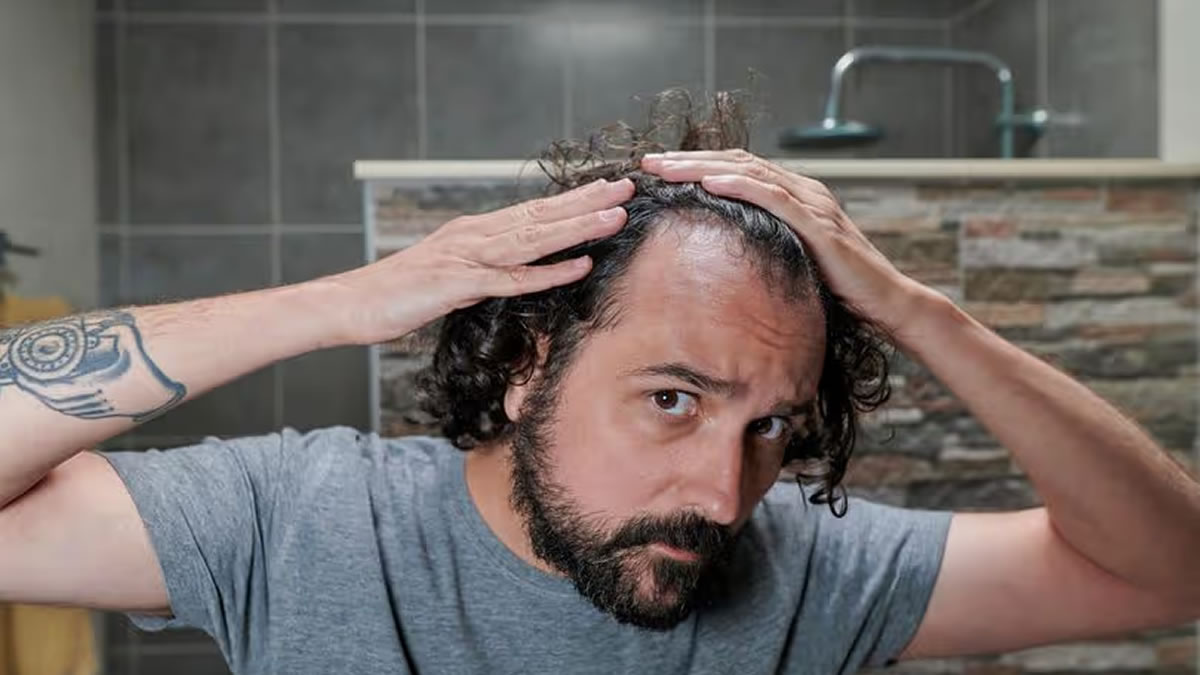
As UK vaping rates surpass traditional smoking, clinical experts reveal how nicotine-induced vasoconstriction starves hair follicles of essential nutrients and accelerates thinning.
Dr. Greg Vida of the Harley Street Hair Clinic has identified a direct physiological link between regular vaping and premature hair loss. The core issue stems from nicotine acting as a vasoconstrictor, which restricts blood flow and oxygen to the scalp, compounding genetic predispositions to alopecia and increasing oxidative stress at the cellular level.
The Statistical Landscape of UK Hair Loss and Vaping
According to the Office for National Statistics, vaping has now overtaken traditional smoking in the UK. As the daily use of e-cigarettes rises, the intersection between nicotine consumption and widespread alopecia is becoming a significant clinical concern.
| Metric | Data / Prevalence |
|---|---|
| UK Adult Vaping Rate | 10% (~5.4 million regular users) |
| UK Adult Smoking Rate | 9.1% |
| Alopecia Prevalence (UK) | 6.5 million men / 8 million women |
| Androgenetic Alopecia by Age 50 | 85% of men / 40% of women |
The Physiology of Nicotine and Follicle Starvation
The mechanism connecting vaping to hair loss centers on basic physiology. Nicotine is a potent vasoconstrictor, meaning it narrows blood vessels and significantly reduces circulation. Hair follicles require a consistent, uninterrupted delivery of nutrients and oxygen through the bloodstream to maintain healthy growth cycles.
Dr. Greg Vida, Senior Surgeon at the Harley Street Hair Clinic, warns that any sustained reduction in this blood flow compromises follicle function. For daily vapers, this chronic vasoconstriction shortens the anagen (growth) phase of the hair cycle, prematurely pushing hairs into the telogen (shedding) phase. For individuals already genetically predisposed to androgenetic alopecia, nicotine exposure acts as a powerful accelerant rather than a sole cause.
Oxidative Stress and Cellular Damage
Beyond restricting blood flow, vaping increases oxidative stress within the body. Dr. Vida notes that multiple dermatology sources have documented how nicotine-induced oxidative stress disrupts the delicate balance of growth factors and inflammatory markers in the scalp microenvironment. This creates a dual mechanism of destruction: the follicle is simultaneously starved of nutrients and damaged at the cellular level.
Clinical Recommendations: The Three-Month Trial
Leonora Doclis, a Hair Loss Specialist at the Belgravia Centre, emphasizes that removing vasoconstrictive triggers can slow the progression of thinning and improve the efficacy of medical treatments like minoxidil or finasteride.
Industry experts from Stagbar suggest that individuals noticing increased shedding should consider reducing the nicotine strength in their e-liquids or extending the intervals between vaping sessions. However, dermatologists recommend a more definitive approach: a trial cessation period of three to six months. Because normal hair loss fluctuates hormonally, a sustained break from nicotine is necessary to establish causation and allow the follicles to recover.
Expert Verdict: A Systemic Health Indicator
While vaping is frequently evaluated purely through a respiratory lens, its systemic effects via nicotine are undeniable. For the millions of adults experiencing unexplained hair thinning, eliminating nicotine-induced vasoconstriction is a clinically sound first step. Supporting scalp health with a nutrient-rich diet (high in iron and biotin) and adequate hydration can optimize conditions for recovery, but persistent severe shedding always warrants consultation with a certified trichologist or dermatologist.