Vaping Dental Risks: Tooth Decay, 400°F Heat & Cavities
Vaping is often marketed as a safer alternative to smoking, but for dental health, the risks are immediate and severe. E-cigarettes do not just deliver nicotine; they coat the mouth in a sticky, sugary aerosol heated to extreme temperatures. According to the American Dental Association (ADA), this combination creates a perfect storm for tooth decay, discoloration, and gum infection, challenging the popular belief that “vapor” is harmless water mist.
Key Takeaways
- Extreme Heat: Vape batteries heat liquid to 400°F in seconds, turning aerosol yellow and causing tooth discoloration.
- Hidden Sugar: Flavorings often contain sugar, contributing directly to tooth decay and chronic infections.
- Chemical Exposure: Users inhale heavy metals like nickel, tin, and lead deep into their lungs.
- Cavity Link: A JADA study found a correlation between vaping and untreated cavities.
- Nicotine Overload: Modern e-cigarettes can deliver double the nicotine of a traditional pack of cigarettes.
The Mechanism: How Vaping Damages Teeth
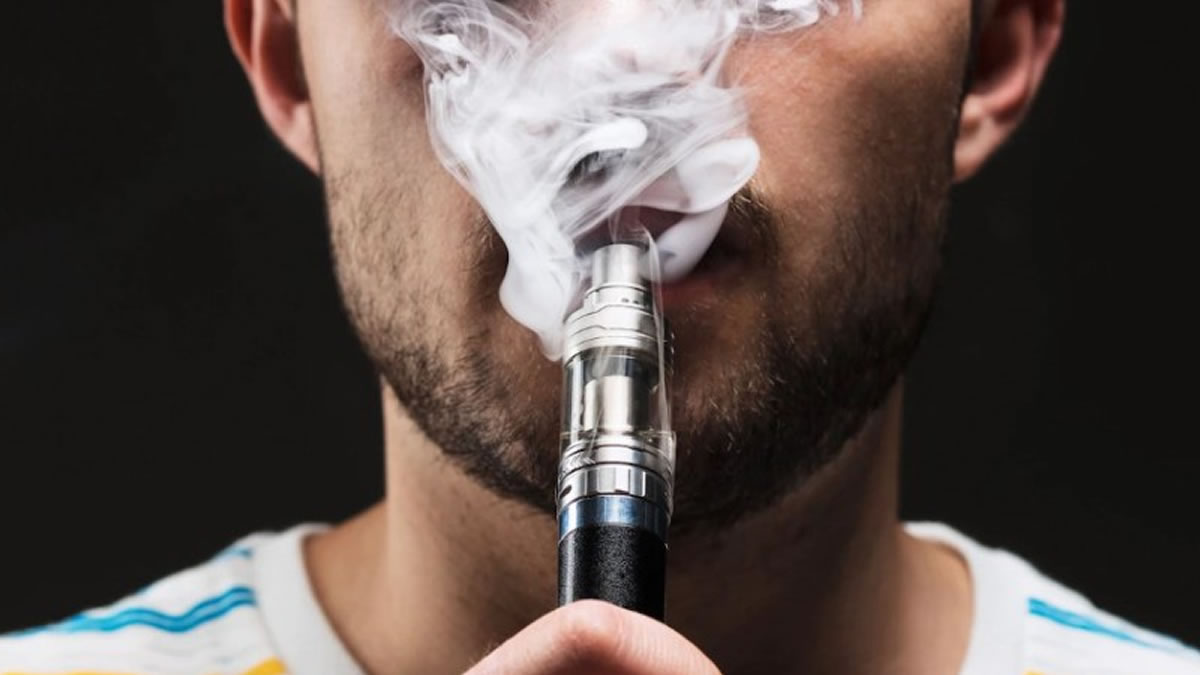
The damage starts with the heating element. Vape pen batteries heat the e-liquid to 400 degrees Fahrenheit within seconds to create the inhalable aerosol. Dr. Mirissa Price, an ADA dentist, warns that using these high-heat settings turns the aerosol yellow. This discoloration doesn’t just vanish; it stains teeth.
Furthermore, the heat alters the consistency of the vapor. It becomes “stickier,” causing the chemical residue to cling to teeth for extended periods. This prolonged contact allows the sugar found in popular flavorings to attack tooth enamel, increasing the risk of cavities and infections. Dr. Price notes that tooth decay remains the single most common chronic childhood disease, and vaping accelerates this process.
Beyond the Mouth: Systemic Health Risks
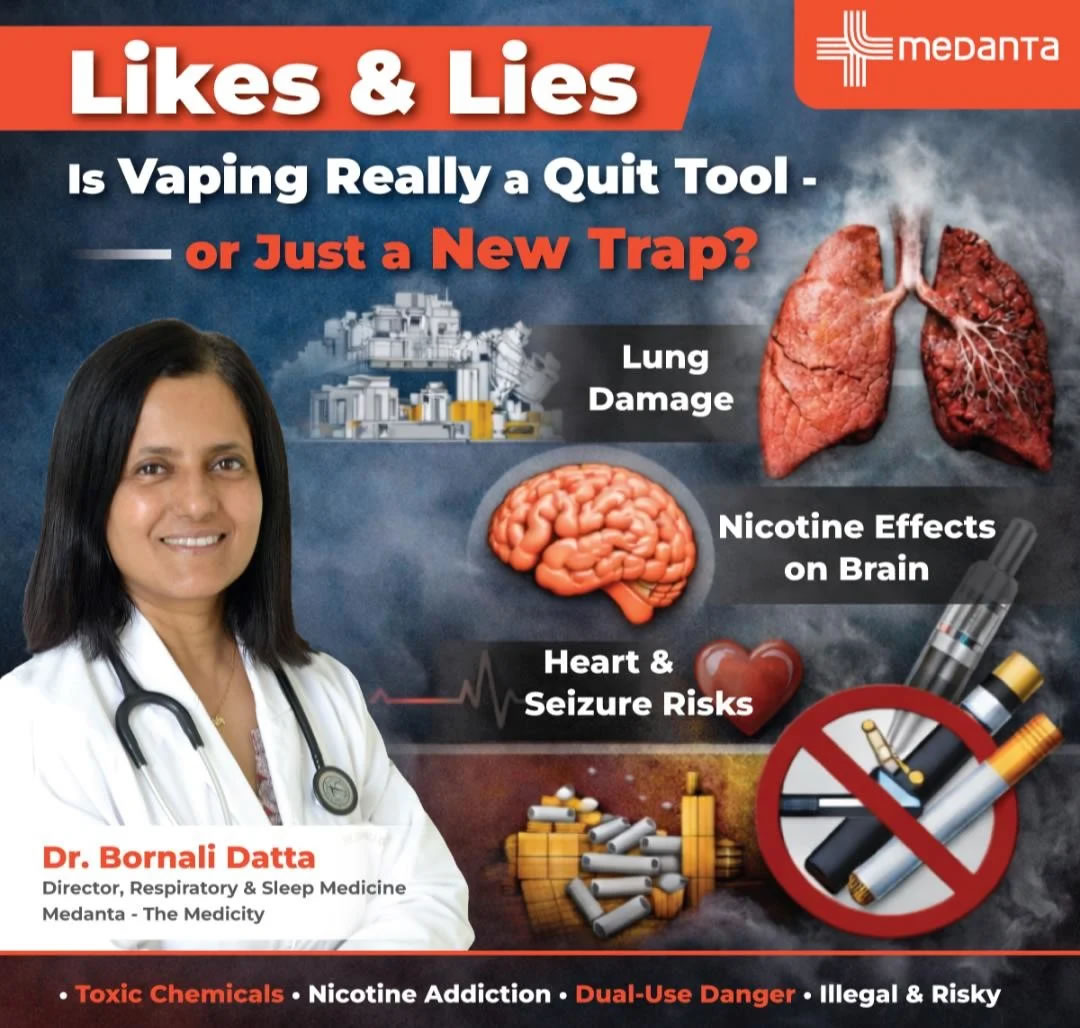
The aerosol contains more than just flavor. It delivers a potent cocktail of nicotine and heavy metals. Research indicates that the average nicotine strength in e-cigarettes has skyrocketed, now delivering double the amount found in a pack of traditional cigarettes. This high concentration affects brain development regarding memory, attention, and emotional regulation, particularly in children and teens.
The chemical profile of the vapor also includes carcinogens and heavy metals such as nickel, tin, and lead. In severe cases, swallowing the liquid can lead to illness, coma, or death.
Youth Epidemic: 2024 Statistics
The 2024 National Youth Tobacco Survey reveals a concerning entrenchment of the habit among minors. Approximately 6% of middle and high school students use e-cigarettes. More alarmingly, more than 1 in 4 of these youth users report vaping daily. This frequency increases the likelihood that these users will transition to smoking conventional cigarettes in the future, compounding their long-term health risks.
Action Plan: Protecting Your Oral Health
If you currently vape, the ADA recommends immediate cessation to halt the damage to your teeth and gums.
- Stop the Heat: Quitting eliminates the exposure to 400°F aerosols that stain enamel.
- Consult a Dentist: Ask your dentist for support. They can identify early signs of “vape mouth” and offer guidance on quitting.
- Monitor Ingredients: Be aware that even products claiming to be “nicotine-free” often contain trace amounts of the addictive substance.
Does vaping cause cavities?
Yes, it increases the risk. Vaping aerosols often contain sugar and become sticky when heated, allowing cavity-causing bacteria to cling to teeth. A study in the Journal of the American Dental Association confirmed a correlation between vaping and untreated cavities.