
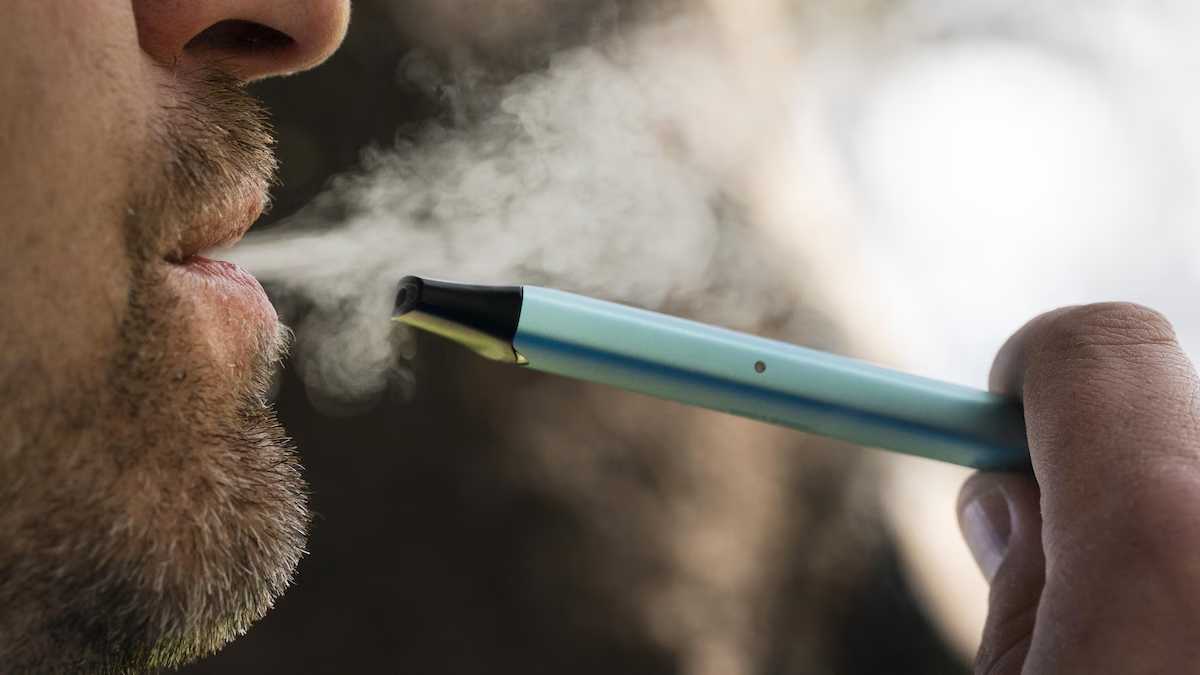

Chemical compounds generated by electronic cigarettes alter oral tissues, weaken saliva defenses, and degrade dental restorations, according to a scientific review published in the Dentistry Journal by researchers at Université Laval in Quebec.
The research team, led by Dr. Mahmoud Rouabhia, examined clinical and in vivo data to evaluate how vapor aerosols interact with soft tissue, bone structure, and oral micro-organisms.
Toxic Aerosols Weaken Mouth Defenses
Laboratory findings show that aerosol exposure actively breaks down the intercellular bonds that hold oral mucosal cells together. These bonds serve as the mouth’s physical shield against microbes. When compromised, disease-causing bacteria enter deeper tissue layers.
“Multiple studies clearly demonstrate that exposure alters normal human oral cells substantially, and not in a positive way,” Rouabhia noted.
This cellular disruption directly harms the tongue, gums, and salivary glands. The review also found evidence of damage to tooth enamel, the underlying jawbone, and restorative dental materials like fillings.
Higher Coil Temperatures Produce Carcinogens
The study highlights risks tied to modern vaping hardware, which operates at temperatures three to four times higher than early models. These elevated temperatures cause chemical changes in heated e-liquids, producing hazardous degradation products.
“Among these products is formaldehyde,” Rouabhia explained. “It is used to preserve cells or tissues for long-term analysis, and it is now recognized as a carcinogen.”
Clinicians observe this biological damage firsthand, noting that oral lesions appearing after patients start vaping typically resolve once they quit. The authors advise users to lower nicotine concentrations and avoid “dual use”—the simultaneous smoking of combustible cigarettes and vapes.
Because these oral health risks remain underrecognized among both the public and dental practitioners, Rouabhia emphasized the need for repeated educational outreach across healthcare sectors.