
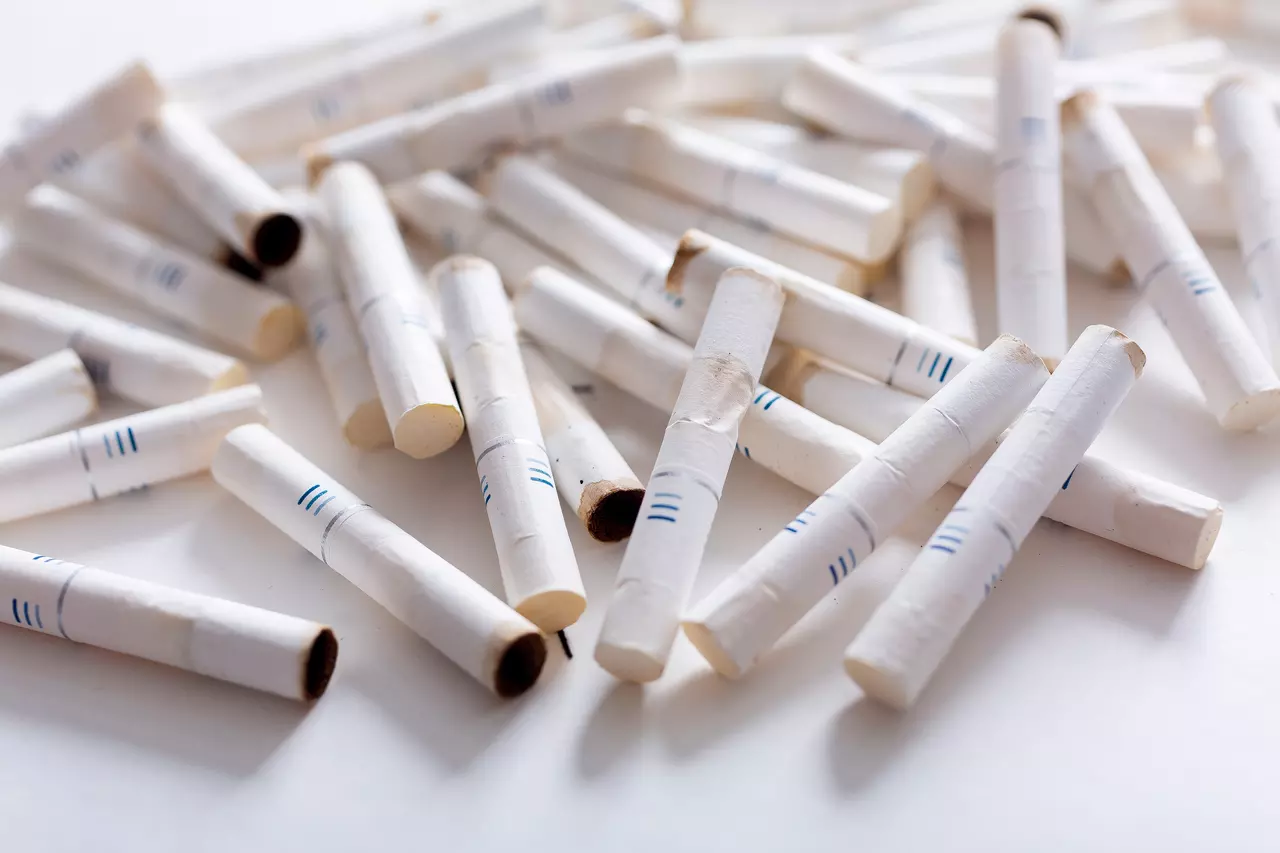

Veterinary toxicologists warn that improperly discarded nicotine gum, e-cigarette waste, and recreational drugs present an escalating poisoning hazard to domestic animals. Data from the Veterinary Poisons Information Service (VPIS) and the Animal Poisonline shows toxic exposures surged by 87% between 2021 and 2025, with cases projected to reach record levels in 2026.
Last year alone, VPIS and the Animal Poisonline handled 633 reports involving drug and nicotine poisoning. Nicotine gum and electronic cigarette refuse remain among the most frequent culprits, alongside cannabis, cocaine, hallucinogenic mushrooms, and discarded waste containing drug residues.
Why Dogs Face Disproportionate Exposure Risks
Dogs are particularly vulnerable to accidental toxicity due to their natural scavenging behaviors during walks. They frequently investigate and consume foreign objects dropped on sidewalks, parks, and roadways.
| Pet Category | Share of Reported Toxic Exposures | Primary Risk Factor |
|---|---|---|
| Dogs | 80.0% | Scavenging behavior and oral investigation outdoors |
| Cats | 18.7% | Grooming residue or exploring indoor surfaces |
Emergency Response Steps for Suspected Pet Poisoning
The Animal Poison Control Center, operated by the American Society for the Prevention of Cruelty to Animals (ASPCA), recommends a structured response if pet owners suspect toxic ingestion:
- Monitor Initial Symptoms: Check for acute gastrointestinal distress, including vomiting and diarrhea.
- Assess Other Animals: In multi-pet homes, examine all pets to confirm whether others had access to the substance.
- Seek Immediate Emergency Care: Transport the pet to an animal hospital immediately if it displays severe symptoms such as labored breathing, reduced consciousness, unexplained bleeding, or seizures.
- Retain Product Packaging: If possible, bring any remaining product wrappers or containers to assist veterinarians with precise diagnosis and treatment plans.
Veterinary experts urge pet owners to secure all nicotine products out of reach indoors and dispose of used items safely in sealed receptacles to prevent outdoor contamination.