New UNSW Study Links Vaping Directly to Lung and Oral Cancers
A new review by the University of New South Wales concludes that vaping is “likely” to cause lung and oral cancers. Researchers identified severe DNA damage and carcinogenic chemicals in e-cigarette aerosols, challenging the narrative that vapes are a harmless alternative to combustible tobacco.
For years, the vaping industry has positioned e-cigarettes as a lower-risk alternative to traditional smoking. Millions of adults and teenagers made the switch based on this premise. But a sweeping new analysis from Australia’s University of New South Wales (UNSW) is throwing cold water on that narrative. According to researchers, this is the most definitive determination to date that vaping significantly increases cancer risks compared to non-users.
What exactly did the researchers find? The UNSW team didn’t just look at isolated data points. They reviewed clinical monitoring, animal studies, and mechanistic lab research. The results were remarkably consistent across the board. E-cigarette vapor triggers inflamed tissue and oxidative stress in the body. Both of these biological reactions are massive red flags for damaged DNA. In fact, animal studies involving mice directly linked vaping to the development of lung tumors, while lab tests showed disrupted biological pathways tied to cancer.
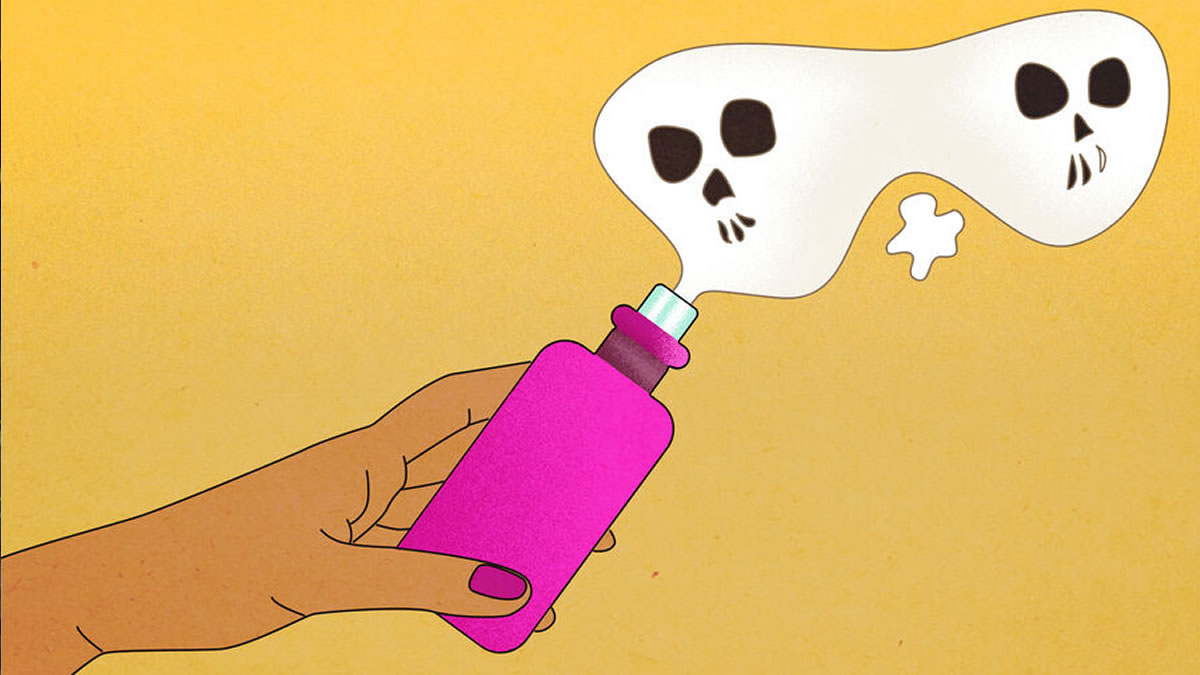
We need to talk about what is actually in the aerosol. The U.S. Centers for Disease Control and Prevention (CDC) notes that while vapes lack the 7,000 deadly chemicals found in combustible smoke, they are far from safe. The UNSW researchers identified numerous carcinogens that users inhale deep into their lungs. This includes heavy metals like nickel, tin, and lead.
It gets worse. Johns Hopkins Medicine points out that these aerosols contain highly toxic volatile organic compounds. Users are inhaling formaldehyde (a preservative), diacetyl (a food additive), and acrolein (a weed killer). Acrolein and diacetyl are already heavily tied to the development of severe lung disease.
Here is the problem with quantifying the exact danger right now. Human studies estimating the precise cancer risk will take decades to fully accumulate. Cancer does not develop overnight. As Dr. Panagis Galiatsatos, a pulmonary physician at Johns Hopkins, explains, the biological damage and inflammation are happening right now, even if the clinical diseases won’t appear for years. We are essentially creating the internal conditions for future illnesses.
The stakes are incredibly high. These specific cancers are expected to lead to 138,140 deaths in the U.S. this year alone. This adds to a grim broader picture, with the American Cancer Society projecting 124,990 lung cancer deaths as part of the 480,000 annual fatalities tied to smoking. While traditional cigarette use is dropping, CDC data shows 7% of Americans vaped in 2024.
The message from the medical community is becoming unequivocal. Vaping might expose users to fewer total toxins than a lit cigarette, but the long-term cancer risks are very real and biologically proven.