Your cart is currently empty!
Up to 8 Years Prison for Selling Vapes in Mexico: New Law Explained
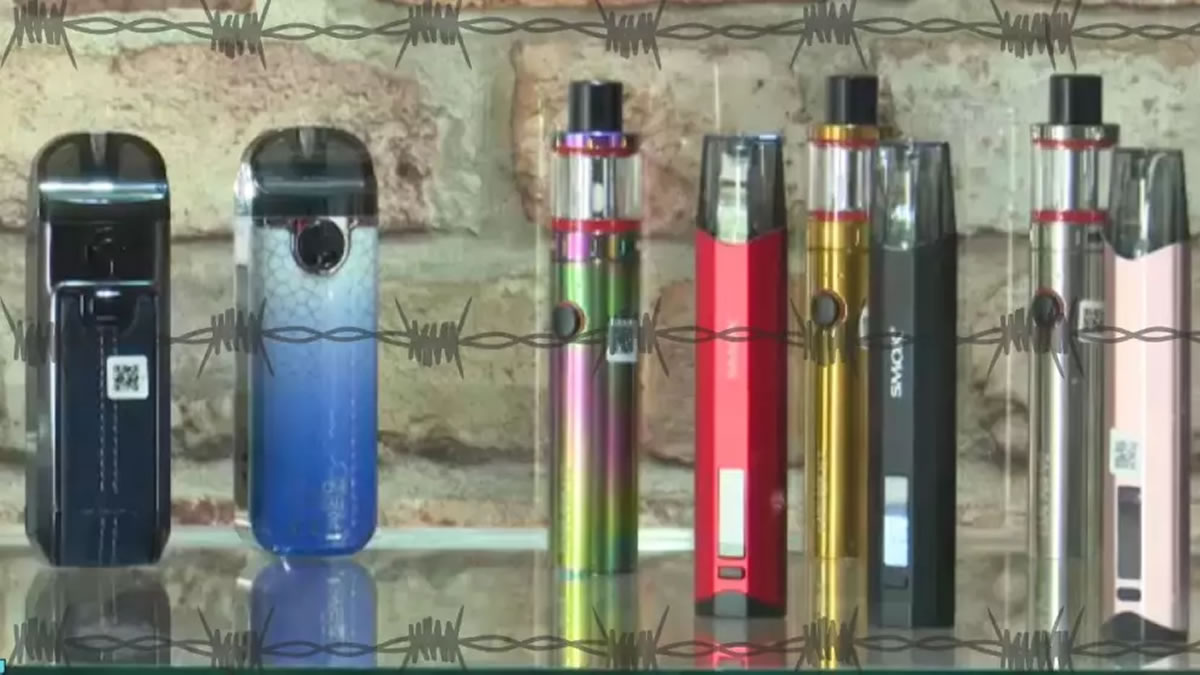
Under a new reform to Mexico’s General Health Law published in the Official Gazette of the Federation (DOF), individuals involved in the commercial supply chain of vapes and electronic cigarettes now face up to eight years in prison. This includes manufacturing, storing, distributing, importing, or selling these devices. However, personal possession and consumption remain legal.
Key Takeaways:
- Commercial Ban: Strict penalties apply to all commercial activities involving vapes.
- Prison Terms: Violators face up to 8 years imprisonment for selling or distributing.
- Personal Use Exempt: Users are not penalized for possession or consumption.
- Black Market Risks: Critics warn the ban will fuel an unregulated illicit market.
The new Mexican vape law refers to a drastic reform of the General Health Law that criminalizes the commercialization of electronic cigarettes and vaping devices. Effective immediately following its publication in the DOF, this legislation marks a severe crackdown on the industry, aiming to eliminate the legal market for these products while stopping short of penalizing individual users.
Strict Penalties for the Commercial Chain
The reform establishes harsh consequences for anyone involved in the business side of vaping. The law explicitly targets the entire supply chain, rather than the end consumer. Activities that now carry a penalty of up to eight years in prison include:
- Manufacturing & Production: Any act of preparing, mixing, or packaging devices or substances.
- Import & Export: Bringing devices into or out of the country for commercial purposes.
- Storage & Distribution: Warehousing or transporting products intended for sale.
- Sales: Any form of trading, selling, or supplying vapes to consumers.
The law broadly defines the prohibited items as any device designed to heat, vaporize, or aerosolize toxic substances. This covers a wide range of formats, including liquids, gels, salts, waxes, and oils, regardless of whether they contain nicotine.
Personal Use Remains Decriminalized
Crucially, the legislation draws a sharp distinction between commerce and consumption. Personal possession and use of vapes are not criminalized. This means that while buying a vape may become incredibly difficult due to the shutdown of legal vendors, users themselves will not face legal sanctions for owning or using a device they already possess.
Concerns Over the Black Market and Public Health
While the government frames this as a public health measure, critics and opposition lawmakers argue it may have the opposite effect. By dismantling the legal, regulated market, there are fears that consumer demand will simply shift to the black market.
Senator Luis Donaldo Colosio warned on December 10th that prohibition often leads to “spaces without regulation, sanitary control, or supervision.” He argued, “Prohibiting means pushing people to a black market without labeling, without control, without responsibility, with much greater risks. We are pushing children and adolescents to a black market.”
Senator Carolina Viggiano also voiced concerns about the broad scope of the penal code potentially incentivizing extortion and criminalizing young people indirectly. Experts in public health have echoed these sentiments, suggesting that closing legal avenues without providing regulatory alternatives strengthens illicit networks operated by criminal groups, potentially exposing consumers to more dangerous, unregulated products.
by
Tags: