Your cart is currently empty!
Mexico Vape Ban: Official Jan 2026 Rules & Health Risks
Mexico has enforced a total prohibition on the sale, manufacture, and distribution of vaporizers and electronic cigarettes, effective January 16, 2026. This legislative move, approved by the Congress of the Union, reforms the General Health Law to address severe sanitary risks. Health authorities explicitly cite the presence of heavy metals like lead and nickel, along with high addiction potential among children and youth, as the primary drivers for this strict legal standard.
Key Takeaways
- Total Prohibition: The reform to the General Health Law bans all commerce of vapes effective January 16, 2026.
- Heavy Metal Toxicity: Officials confirmed these devices release lead and nickel, causing severe respiratory damage.
- Addiction Trap: A single device can deliver a nicotine load equivalent to multiple packs of traditional cigarettes.
- No Filtration: Unlike cigarettes, vapes atomize liquid directly into the lungs without any filtration mechanism.
The Anatomy of the Hazard
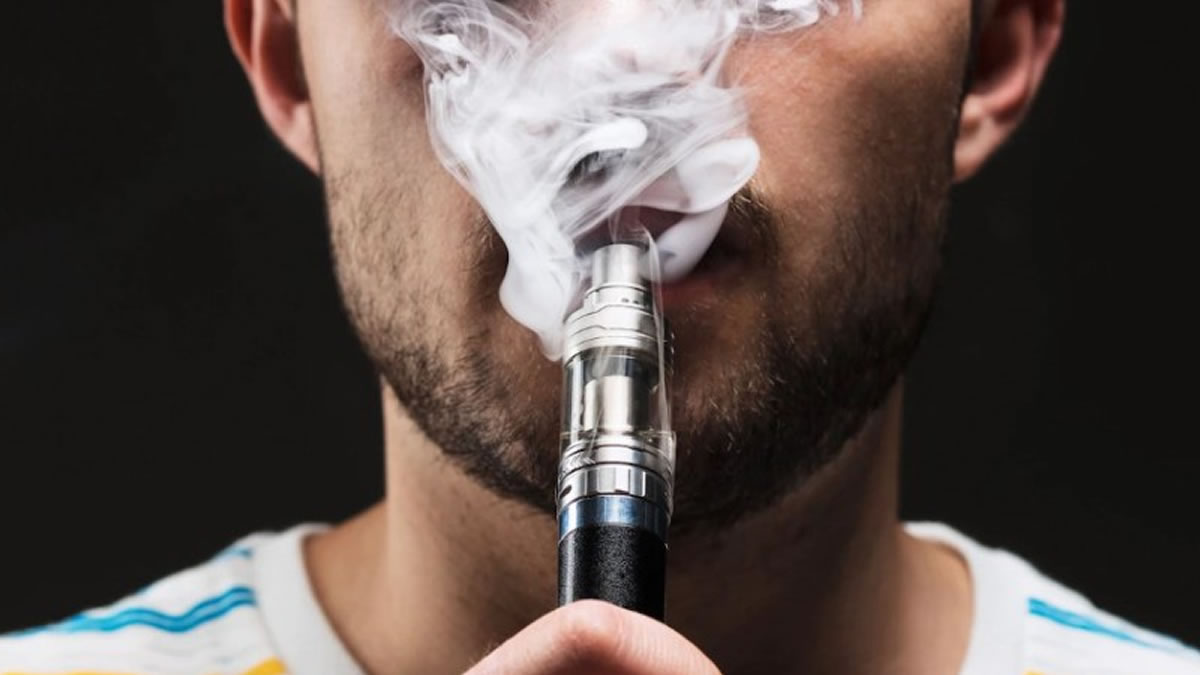
Our analysis of the official health reports reveals why the government classifies these devices as “highly harmful.” Emmanuel González Barbosa, Director General of the Health Protection Agency in Mexico City, deconstructed the device’s mechanism during a public address. He explained that vapes are not passive water vapor generators. Instead, a sensor activates a battery, which heats a chemical liquid. This process atomizes the mixture—containing glycerin, flavorings, and nicotine—allowing the user to inhale it directly into the lungs.
The critical danger lies in the lack of filtration. González Barbosa emphasized that this direct inhalation path exposes the user to toxic components immediately. Interestingly enough, the government highlights that the device’s evolution since its 2003 invention in China—moving from simple sticks to rechargeable, high-capacity batteries—has only increased the health risk by facilitating prolonged, high-intensity consumption.
Toxic Components vs. Health Impact
The ban is grounded in specific toxicological findings. The following matrix details the direct link between vape components and the health crises identified by Mexican authorities.
| Component | Source | Health Consequence |
|---|---|---|
| Heavy Metals | Heating coils (Lead, Nickel) | Severe respiratory disease & toxicity. |
| Concentrated Nicotine | E-Liquid | Rapid addiction (Equiv. to multiple cigarette packs). |
| Atomized Vapor | Glycerin & Flavorings | COPD (Chronic Obstructive Pulmonary Disease). |
Protecting the Youth Demographic
The “Click-Deep” detail in this legislation is its focus on minors. Authorities argue that while vapes market themselves as a “safe alternative,” they act as a gateway to addiction for children. The ability to recharge batteries and swap cartridges allows for continuous use, exposing developing lungs to permanent damage like Chronic Obstructive Pulmonary Disease (COPD). By banning the entire supply chain—fabrication, distribution, and sale—the reform aims to physically remove these products from the youth market.
by
Tags: