

Addiction specialists from the UK Addiction Treatment Centres are urging families to familiarize themselves with the critical physical and behavioral indicators of illicit drug use, as substance abuse becomes increasingly normalized across British society. This warning follows the latest Crime Survey for England and Wales, which revealed that 8.7 percent of people aged 16 to 59—roughly three million individuals—consumed illegal drugs in the past year, with cocaine and cannabis leading the statistics.
Drug consumption is no longer confined to specific subcultures. Across every sector of society, from young party-goers and university students to corporate professionals and middle-class parents, it has become increasingly common to encounter individuals under the influence at festivals, concerts, and even private dinner parties.
While many users view their consumption as harmless, recreational, or even therapeutic, the inherent physical and mental dangers of dependency are severe. Earlier this month, 32-year-old Hollywood actor Barry Keoghan highlighted these fatal risks, admitting to undergoing rehab three times and revealing he “technically did die for a few seconds” due to excessive cocaine use.
Zaheen Ahmed, director of therapy at UK Addiction Treatment Centres—the largest private drug and alcohol treatment provider in the UK—stresses the importance of recognizing both active intoxication and the subtle signs of regular use. “Illegal drugs are everywhere, in all parts of the country and all walks of life,” Ahmed explained, noting the inescapable smell of cannabis in cities and the normalization of cocaine alongside alcohol.
To help families intervene before recreational use spirals into a life-threatening addiction, experts have outlined the giveaway signs for the most commonly abused substances today.
The Stimulant Surge: Recognizing Cocaine Use
Cocaine is a highly addictive Class A stimulant that accelerates signals between the brain and body. By causing a massive flood of dopamine—the brain’s primary pleasure neurotransmitter—it triggers a rapid euphoric rush within five minutes of consumption.
One of the most immediate behavioral giveaways is an individual repeatedly disappearing for short periods. If a loved one frequently makes excuses to visit the bathroom or step into another room and returns with unnatural, hyperactive energy, they may be actively snorting the drug.
Immediate Physical and Behavioral Signs:
- Furtive Behavior: Obsessively guarding bags or wallets to protect their stash, appearing shifty or paranoid about being caught.
- Nasal Issues: Frequent sniffing, runny noses, or visible traces of white powder around the nostrils.
- Physical Hyperarousal: Dilated pupils that do not shrink in light, flushed skin, and excessive sweating due to dramatic spikes in heart rate and blood pressure.
- Mouth Movements: Jaw tension, teeth grinding, cheek chewing, or biting of the lips.
- Hyper-Sociability & Aggression: Becoming intensely talkative, excitable, overconfident, or conversely, displaying sudden recklessness and aggression.
Because the immediate high from cocaine lasts only about 30 minutes, users require frequent redosing. “The change is obvious. The person is different to how they normally are, suddenly becoming agitated and hyperactive,” noted Mr. Ahmed. The drug also acts as an appetite suppressant and stimulates the brain’s pleasure centers, often resulting in an uncharacteristic, desperate pursuit of sexual release.
Once the drug leaves the system, regular users will endure a harsh comedown characterized by profound fatigue, sharp irritability, intense anxiety, and an overwhelming craving for more of the substance.
The Trance State: Spotting Ketamine Abuse
Originally developed as a medical anesthetic in the 1960s, Ketamine has surged in popularity among younger demographics as a recreational Class B drug. It delivers a potent mix of heavy sedation and powerful hallucinations.
When swallowed as a liquid, it takes effect in 30 to 60 minutes; when snorted as a powder, it kicks in within 15 minutes. The immediate effects are visually alarming, often trapping the user in a motionless, trance-like state.
Signs of Active Ketamine Intoxication:
- Physical Detachment: Appearing completely spaced-out, staring blankly into space with slow, shallow breathing.
- Loss of Motor Function: Severe disorientation, loss of coordination, slurred speech, and numbness that masks physical injuries.
- The “K-Hole”: At high doses, users plunge into a mind-bending paralysis. “A person feels completely disconnected from their body and reality, and unable to move,” explained Mr. Ahmed. “It’s a very deep, dark place of sadness and depression.”
While the immediate intoxication wears off within an hour, the long-term indicators of chronic ketamine use are devastating. Regular users often display severe cognitive decline, struggle with noticeable memory gaps, and withdraw socially, hiding away from friends and family.
Crucially, prolonged ketamine use inflicts severe, irreversible damage to the urinary tract. Chronic users frequently suffer from bladder and kidney destruction, leading to frequent urination, incontinence, and agonizing pain that patients describe as feeling like “peeing broken glass.”
Euphoria and Exhaustion: Identifying MDMA and Ecstasy
MDMA, commonly consumed as an “Ecstasy” pill or rubbed into the gums as a powder, is a synthetic psychoactive Class A drug acting as both a stimulant and a mild hallucinogen. It artifically boosts serotonin and dopamine levels, triggering profound euphoria and heightened sensory perception within 30 minutes.
A delirious outpouring of affection is the classic hallmark of MDMA intoxication. “It’s easy to spot someone who has taken MDMA or Ecstasy—they seem loved-up and energised. They will want to hug people and tell them they love them,” said Mr. Ahmed.
Key Indicators of MDMA Use:
- Emotional Extremes: Intense displays of love and sociability, which can rapidly flip into severe sadness or paranoia if the user feels rejected or upset.
- Dangerous Overheating: The drug severely disrupts body temperature regulation. Users may pour water over themselves to cool down or complain of insatiable thirst.
- Physical Tics: Similar to cocaine, users exhibit dilated pupils, clenched jaws, teeth grinding, and a racing heart.
The immediate risks of MDMA are largely physiological. If a user drinks excessive water to combat overheating, they risk hyponatremia—a fatal over-dilution of sodium in the blood causing nausea, seizures, and brain swelling.
Following the three-to-six-hour high, the chemical depletion in the brain results in a brutal comedown lasting several days. Regular users often appear flat, deeply depressed, anxious, and chronically exhausted. They frequently suffer from intense insomnia and may lose all interest in hobbies, focusing solely on the anticipation of their next party and their next dose.
Lethargy and Paranoia: The Reality of Cannabis
Cannabis remains the most widely used illicit substance in the UK. Whether smoked or vaped, the psychoactive compound THC (tetrahydrocannabinol) enters the bloodstream through the lungs in under two minutes, binding to brain receptors to trigger a dopamine release.
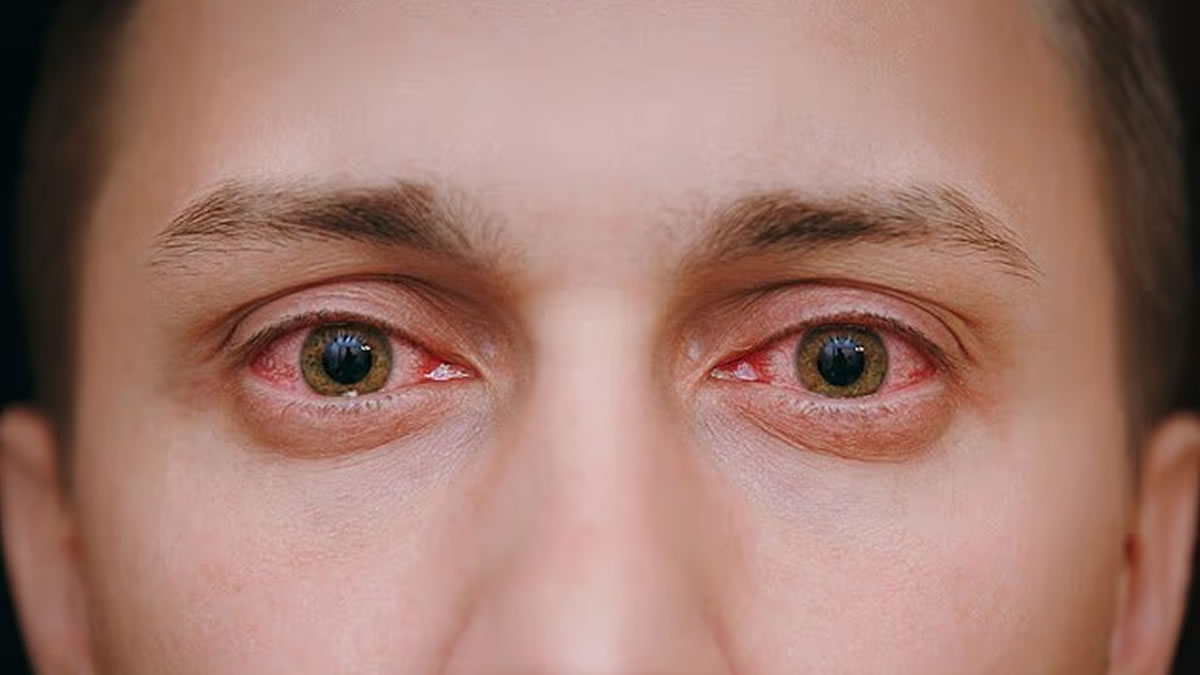
While often touted as a harmless stress reliever, regular recreational use carries significant behavioral and physical markers. The most recognizable signs include chronically bloodshot eyes—caused by THC triggering vasodilation, which widens the blood vessels in the eyeball—and a pungent, unmistakable odor that clings to hair, clothing, and even seeps out through sweat for up to 30 days.
Signs of Cannabis Intoxication and Chronic Use:
- Immediate Intoxication: Unprompted giggling, heavy lethargy, delayed reaction times, slurred speech, and an inability to track conversations.
- The “Munchies” and the “Whitey”: Intense, sudden cravings for food, or conversely, a sudden drop in blood pressure causing dizziness, nausea, and pale, sweaty skin.
- Psychological Distress: While lower doses relax the user, high doses of THC can trigger severe paranoia and anxiety.
“In susceptible individuals, THC can produce drug-induced psychosis, creating symptoms similar to schizophrenia,” warned Mr. Ahmed. “A person might be convinced someone is out to get them or that their partner is cheating on them. They can become dangerously delusional.”
Long-term cannabis dependency silently erodes a user’s life structure. Chronic consumers often become heavily demotivated, content with doing nothing, and lose all interest in long-term goals or career progression. Alongside chronic respiratory issues like wheezing, withdrawal from the drug leaves them highly irritable and anxious.
Altered Realities: Magic Mushrooms and Psilocybin
Magic mushrooms contain the naturally occurring psychoactive compound psilocybin. When ingested, this compound activates brain receptors responsible for sensory perception, mood, and cognition, fundamentally altering how a person experiences reality within 45 minutes.
The signs of use vary wildly based on the dosage. The modern trend of “micro-dosing” (consuming tiny amounts hidden in chocolates or sweets) may simply leave a person looking dreamy, distant, or unusually fixated on minor visual details. However, macro-doses intended to trigger full psychedelic “trips” produce dramatic, unmistakable behavioral shifts.
Recognizing a Psychedelic Trip:
- Irrational Reactions: Behaving in ways completely detached from their actual environment. They may appear incredibly energized and awestruck, or conversely, terrified and overwhelmed.
- Vivid Hallucinations: Interacting with visual and auditory elements that do not exist. “They might believe God is talking to them, or that the room has turned into a jungle, or that the curtains are changing into snakes,” explained Mr. Ahmed.
- Physical Symptoms: Massively dilated pupils, rapid breathing, elevated body temperature, and heavy sweating.
While some seek mushrooms for spiritual insight, the dangers of a “bad trip” are profound, leading to acute panic and confusion. Furthermore, Mr. Ahmed warns that regular psilocybin use carries severe psychiatric risks. Users can become psychologically reliant on the altered state to cope with reality. Habitual use can rapidly exacerbate underlying mental health conditions like depression and anxiety, and can trigger the onset of entirely new, permanent psychiatric disorders.
Summary of Common Drugs and Telltale Signs
| Drug Type | Category | Immediate Intoxication Signs | Long-Term / Comedown Symptoms |
|---|---|---|---|
| Cocaine | Class A Stimulant | Hyperactivity, dilated pupils, frequent bathroom trips, jaw clenching, arrogance. | Severe fatigue, intense irritability, paranoia, heavy cravings, depression. |
| Ketamine | Class B Dissociative | Trance-like immobility, slurred speech, detachment, shallow breathing. | Severe bladder/kidney pain, memory gaps, deep depression, social isolation. |
| MDMA / Ecstasy | Class A Psychoactive | Extreme sociability, excessive sweating/thirst, dilated pupils, jaw grinding. | Days-long depressive comedown, chronic insomnia, anxiety, lack of focus. |
| Cannabis | Class B Depressant | Bloodshot eyes, pungent smell, lethargy, “munchies”, delayed reactions. | Total loss of motivation, chronic coughing, paranoia, potential psychosis. |
| Magic Mushrooms | Class A Psychedelic | Visual/auditory hallucinations, irrational reactions, dreamy fixation, sweating. | Psychological reliance on altered states, exacerbation of psychiatric issues. |
If you suspect a loved one is struggling with substance abuse, early intervention is critical. Monitoring these specific physical and behavioral changes allows families to address the issue before casual recreational use develops into a fatal dependency.