
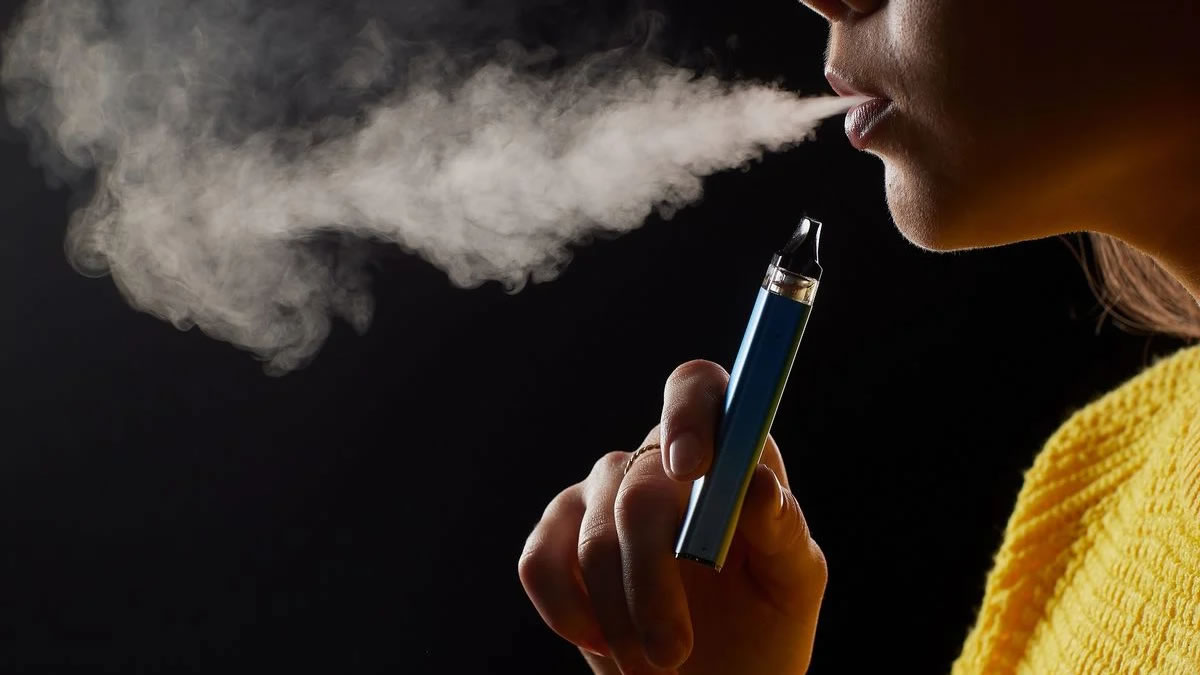

Health officials and pulmonologists in Brazil have issued a stark warning regarding the rapid physical deterioration of young vape users. This alarm follows new national data revealing a massive spike in adolescent vaping, which is directly leading to irreversible respiratory conditions and severe nicotine dependence in a matter of months.
According to the National Survey of School Health (PeNSE) released by the Brazilian Institute of Geography and Statistics (IBGE), 29.6% of students aged 13 to 17 have now tried electronic cigarettes. This figure has nearly doubled from 16.8% in 2019, highlighting a rapid shift toward sweet-flavored vapes even as traditional smoking rates decline.
Dr. Elnara Márcia Negri, a pulmonologist at Hospital Sírio-Libanês, stresses that vapes are far from a safe alternative. She notes that the intense inflammation caused by vaping can establish lung lesions in just a few months—damage that would typically take years to develop with conventional cigarettes.
A primary medical concern is bronchiolitis obliterans, commonly known as “popcorn lung.” This condition is triggered by inhaling diacetyl, a flavoring compound used in vape liquids. The resulting inflammation destroys the bronchioles, leading to permanent airway obstruction, respiratory failure, and potentially death.
Beyond diacetyl, these devices deliver a highly dangerous chemical payload. Experts warn that vapes can contain over 2,000 substances, exposing users to severe health risks:
- Heavy Metals: Nickel, lead, and zinc are frequently released by the device’s heating coils and batteries.
- Carcinogens: Users inhale highly toxic compounds like formaldehyde and acrolein.
- Nicotine Salts: These are specifically formulated to create dependency up to ten times faster than traditional cigarettes.
The impact extends well beyond the respiratory system. The rapid nicotine addiction, masked by fruity and sweet flavors, acts as a dangerous trap for adolescents. Studies indicate this early exposure disrupts brain development and neuroplasticity, leading to anxiety, attention disorders, insomnia, and panic attacks.
Early warning signs of vape-induced damage are often subtle, including chronic cough, wheezing, and shortness of breath during exertion. While some initial damage is reversible, late diagnosis can lead to a progressive loss of respiratory function and increase the long-term risk of lung, mouth, and bladder cancer.
Medical professionals urge parents to maintain open dialogues with their children, noting that treating vape addiction often requires professional medical intervention. The earlier a child starts vaping, the harder it is to quit and the more severe the impact on their developing brain.