
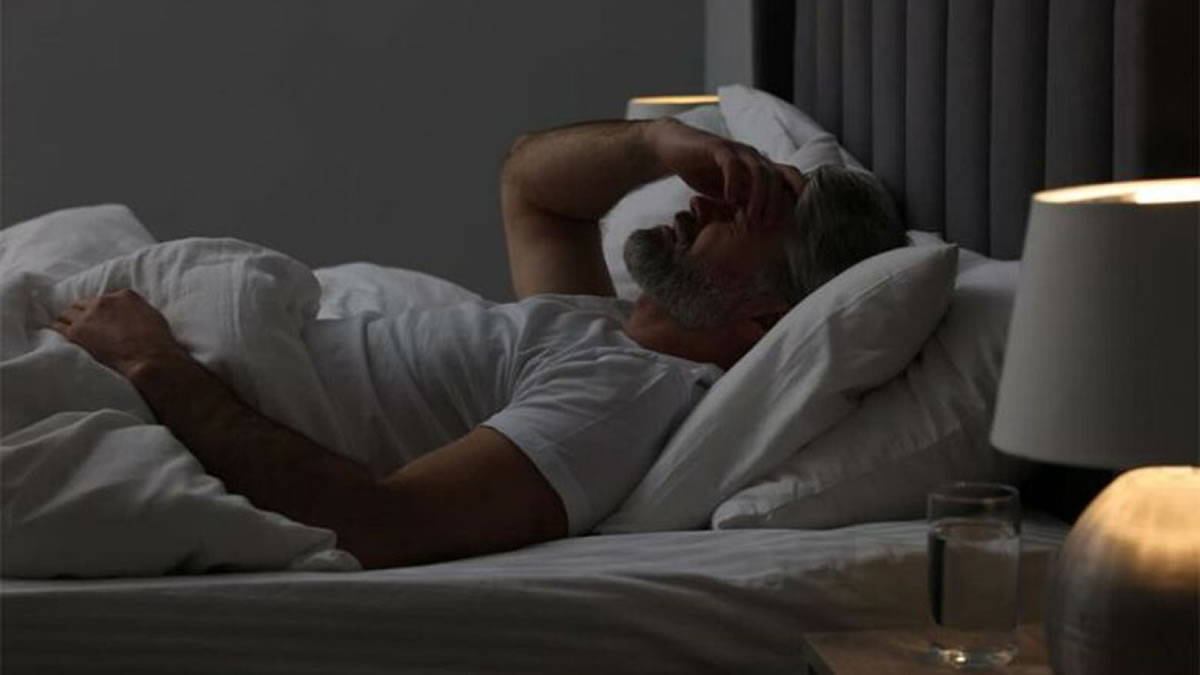

Nicotine acts as a powerful stimulant that disrupts the body’s natural circadian rhythm, leading to shorter, lighter, and less refreshing sleep, while also increasing baseline stress and anxiety levels over time.
- Nervous System Stimulation: Nicotine raises heart rate and blood pressure, actively preventing the body from winding down at night.
- Reduced Deep Sleep: Regular use significantly decreases crucial restorative stages, including slow-wave and REM sleep.
- Nighttime Withdrawal: Dropping nicotine levels during the night trigger restlessness, vivid dreams, and early awakenings.
- Rapid Recovery: Quitting can temporarily worsen sleep, but users typically see major improvements in sleep depth and energy within weeks.
South African healthcare provider Affinity Health has issued a stark warning regarding the severe, often-overlooked impact of nicotine on sleep quality. Because nicotine—found in cigarettes, e-cigarettes, and hubbly-bubbly—acts as a powerful stimulant, it actively prevents the central nervous system from relaxing at night, leading to chronic rest deprivation.
This stimulation directly interferes with the body’s natural circadian rhythm. By increasing heart rate and blood pressure, nicotine delays the onset of sleep and significantly reduces its overall depth.
People who regularly consume nicotine frequently report a specific set of sleep disturbances:
- Difficulty falling asleep initially.
- Frequent awakenings throughout the night.
- A noticeable reduction in total sleep duration.
- Waking up feeling unrefreshed and lethargic in the morning.
According to Affinity Health, nicotine specifically diminishes slow-wave sleep and REM sleep. When these vital restorative stages are interrupted or shortened, sleep becomes superficial, even if the individual spends an adequate amount of time in bed.
The issue is further compounded by nighttime nicotine withdrawal. As the stimulant leaves the bloodstream after a few hours, users often suffer from physical restlessness, vivid dreams, and early waking accompanied by intense morning cravings. Furthermore, smoking increases the risk of obstructive sleep apnea, while vaping can irritate airways, further fragmenting sleep patterns.
Beyond daytime fatigue, this chronic sleep disruption has cascading effects on mental health. Ongoing sleep deprivation exacerbates stress, anxiety, and depression. While nicotine triggers a brief, calming dopamine release, the resulting physical dependence actually raises baseline stress levels, particularly during withdrawal periods.
Fortunately, the damage is reversible. Although sleep quality may temporarily deteriorate during the initial days of quitting, former users typically report falling asleep faster, experiencing fewer nighttime awakenings, and enjoying deeper rest within just a few weeks. To mitigate these issues, experts strongly advise avoiding nicotine close to bedtime and maintaining a consistent sleep schedule.