
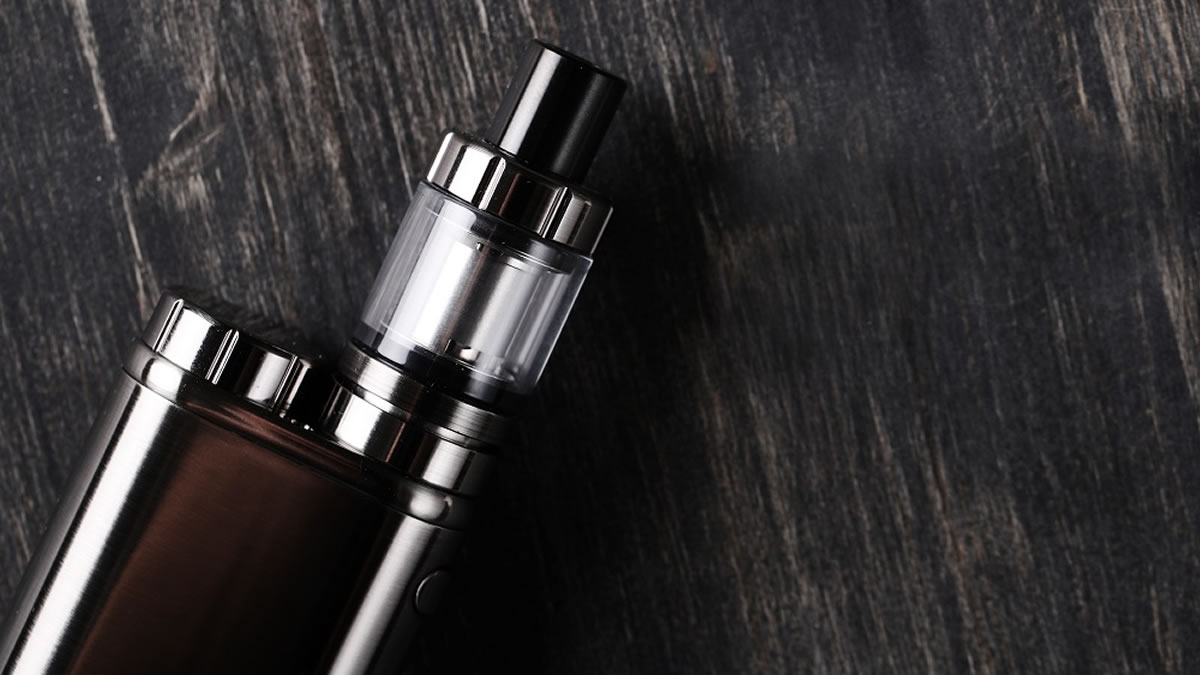

A preclinical study by the University of Technology Sydney reveals that vaping devices can deposit toxic metals directly into lung tissue, challenging the perception that e-cigarettes are a safe alternative to smoking.
- Hidden Hardware Dangers: Toxic metal emissions primarily originate from the degradation of heating coils and electrical components within the vape.
- Bioaccumulation Risk: Harmful metals accumulate in the lungs even with short-term use at levels lower than typical daily human consumption.
- Surging Youth Exposure: The findings raise severe public health alarms as vaping rates among Australian young adults quadrupled from 5.3% in 2019 to over 21% in 2023.
Researchers at the University of Technology Sydney (UTS) have discovered that e-cigarettes actively deposit toxic metals into users’ lungs. Published in the journal Analytical and Bioanalytical Chemistry, this preclinical study highlights how device components leak hazardous materials, directly challenging the narrative that vaping is a harmless alternative to smoking.
Lead researcher Dayanne Bordin described the findings as a “previously underappreciated danger.” She explained that while public focus is often on the chemicals within the e-liquid, vaping aerosols also carry metal species degrading directly from the device’s hardware.
“The observed metal profiles are consistent with emissions from heating coils and electrical components,” Bordin stated. She noted that many current vape safety assessments completely overlook these hardware emissions, missing a primary source of toxic exposure.
The study confirmed that short-term vaping can lead to the dangerous bioaccumulation of several harmful metals in lung tissue, specifically identifying:
- Lead
- Copper
- Nickel
This health risk is severely compounded by the unregulated nature of the global vaping market. Because vape devices vary wildly in design, materials, and production quality, users face unpredictable levels of hazardous exposure. Devices manufactured with lower standards or lacking rigorous testing pose the highest threat of metal leakage.
These hidden dangers are emerging alongside a massive spike in youth vaping. In Australia, e-cigarette use among young adults skyrocketed from 5.3 percent in 2019 to over 21 percent in 2023, transforming a regulatory blind spot into an urgent public health crisis among adolescents.
Given the long-term dangers of metal bioaccumulation, researchers are demanding tighter industry regulations. They are calling for mandatory, routine testing of all device emissions and updated public health guidelines to warn users about the severe risks of substandard vaping hardware.