
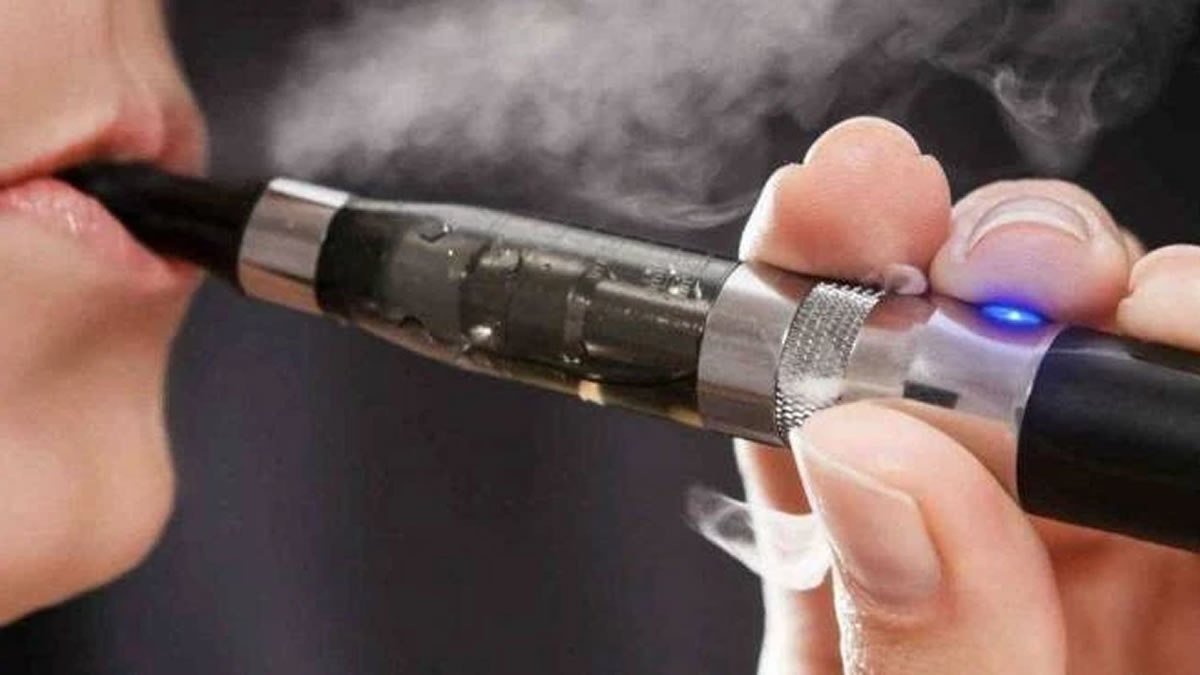

Yes, preliminary research from the University of Minnesota Twin Cities suggests that vaping can damage DNA. The study identified three harmful chemicals—formaldehyde, acrolein, and methylglyoxal—that increase in the saliva of e-cigarette users, potentially leading to long-term health complications like cancer.
Key Takeaways:
- Harmful Chemicals: Vaping increases levels of formaldehyde, acrolein, and methylglyoxal.
- DNA Adducts: Acrolein exposure was linked to increased DNA damage in users.
- Cancer Risk: Unrepaired DNA damage can disrupt replication and lead to cancer.
- Youth Usage: High vaping rates among youth underscore the urgency of these findings.
Researchers at the University of Minnesota Twin Cities have identified a concerning link between e-cigarette use and potential DNA damage. In a preliminary study published by the American Chemical Society, scientists found elevated levels of three DNA-damaging compounds in the saliva of vapers, raising red flags about the long-term health consequences of the habit.
The Chemical Culprits: Formaldehyde, Acrolein, and Methylglyoxal
The study focused on analyzing the chemical exposure users face during a vaping session. By collecting saliva samples before and after a 15-minute session from five e-cigarette users, the team tracked the presence of specific toxins.
They identified increased levels of:
- Formaldehyde: A known carcinogen.
- Acrolein: A toxic chemical often used as a biocide.
- Methylglyoxal: A compound linked to cell damage.
DNA Damage and Cancer Risks
The most alarming finding was the evidence of DNA adducts—a type of damage that occurs when toxic chemicals like acrolein react directly with DNA. Compared to non-users, four out of the five participants showed increased DNA damage related to acrolein exposure.
If the body’s cells fail to repair this damage, it can interfere with normal DNA replication, potentially leading to cancer. “We still don’t know exactly what these e-cigarette devices are doing and what kind of effects they may have on health, but our findings suggest a closer look is warranted,” said lead author Romel Dator.
A Growing Public Health Concern
These findings are particularly concerning given the high prevalence of vaping among young people. A 2016 U.S. Department of Health report noted that 37.7% of high school students and 35.8% of young adults (18-24) had used e-cigarettes.
The research team plans to follow up with a more extensive study involving a larger group of users to further validate these preliminary results.