
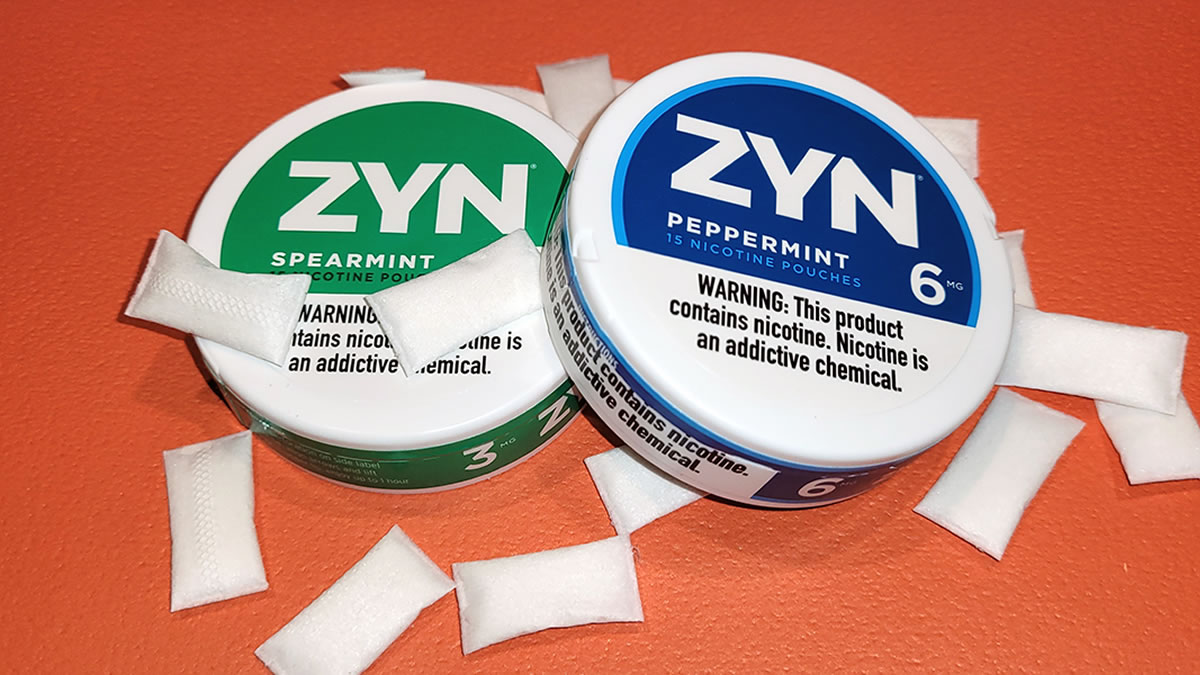

A new form of smokeless tobacco is rapidly gaining traction among youth, prompting severe warnings from leading toxicologists. Nicotine pouches, small sachets placed between the gum and lip, are being marketed as “harm reduction” tools, but experts argue they are a gateway trap designed by the tobacco industry. Dr. Carlos Damin, a renowned toxicologist, warns that these products deliver massive doses of nicotine—equivalent to half a pack of cigarettes in a single pouch—creating instantaneous addiction with risks comparable to heroin and cocaine.
Key Takeaways
- Extreme Potency: A single pouch can contain the nicotine equivalent of 8 to 10 cigarettes.
- Addiction Risk: Dr. Damin ranks nicotine as the third most addictive substance, following heroin and cocaine.
- Legal Gray Zone: In Argentina, pouches are sold openly at kiosks because they are “not authorized, but not prohibited.”
- Targeting Youth: Packaged like candy in flat tins, these products appeal directly to adolescents rather than just smokers trying to quit.
- Health Impact: While sparing the lungs, pouches alter neuronal connections and impact the brain and heart directly.
The “Harm Reduction” Trap
The marketing strategy behind nicotine pouches reveals a deceptive narrative. The tobacco industry promotes these products under the banner of “harm reduction,” suggesting they are a safer alternative for smokers looking to quit. However, Dr. Damin argues this is a “trap.” The product is not marketed solely to existing smokers but is aggressively positioned to attract adolescents and young adults who have never smoked.
The danger lies in the delivery mechanism. Because the pouches dissolve quickly in saliva, nicotine absorption is rapid and intense. This causes immediate episodes of euphoria followed by anxiety, locking the user into a cycle of dependency. Unlike patches or gums, which are sold as medications with unpleasant tastes to deter recreational use, pouches are flavored and packaged to resemble sweets.
Potency: The Math of Addiction
A deep dive into the chemical composition shows why these pouches are so dangerous. Users often underestimate the dosage because there is no smoke or smell.
| Product | Nicotine Content | Consumption Equivalent |
|---|---|---|
| Traditional Cigarette | ~1-2 mg absorbed | 1 Unit |
| Nicotine Pouch | High Concentration | 8 to 10 Cigarettes |
| Two Pouches | Very High Concentration | Entire Pack (20 Cigarettes) |
Dr. Damin points out the absurdity of the dosage: “It is possible to consume the nicotine of an entire pack with just two sachets.” This massive load alters neuronal connections, specifically impacting the developing brains of younger users.
The Legal Void in Argentina
Tracking the regulatory landscape in Argentina highlights a critical enforcement gap. While current laws restrict tobacco and its derivatives, the specific category of “nicotine pouches” exists in a legal limbo. Dr. Damin notes that they are sold at kiosks everywhere because “they are not authorized, but they are not prohibited either.”
This lack of regulation allows the products to be sold in flat, candy-like tins without the strict oversight applied to cigarettes or pharmaceutical nicotine aids. The expert calls for an immediate review of tobacco legality, asserting that the current law protecting public health is “not being enforced” against this new derivative.
Stealth Consumption and Health Risks
The physical risks extend beyond addiction. While pouches do not damage the lungs like combustible tobacco, they have a direct impact on the cardiovascular system and the brain. The method of consumption—breaking the bag with teeth or letting it sit against the gums—allows for discreet use. They have no smell and leave no odor, making it easy for teenagers to use them undetected in schools or at home.
Dr. Damin concludes that the product is a “complete failure” from a public health perspective. Instead of reducing harm, it is creating a new generation of addicts, driven by a strategy that “only the tobacco industry could imagine.”
Are nicotine pouches safer than smoking?
They spare the lungs but assault the brain and heart. With nicotine levels equivalent to 10 cigarettes per pouch, the addiction risk is extreme. Experts classify them as a gateway drug for youth, not a safe alternative.