
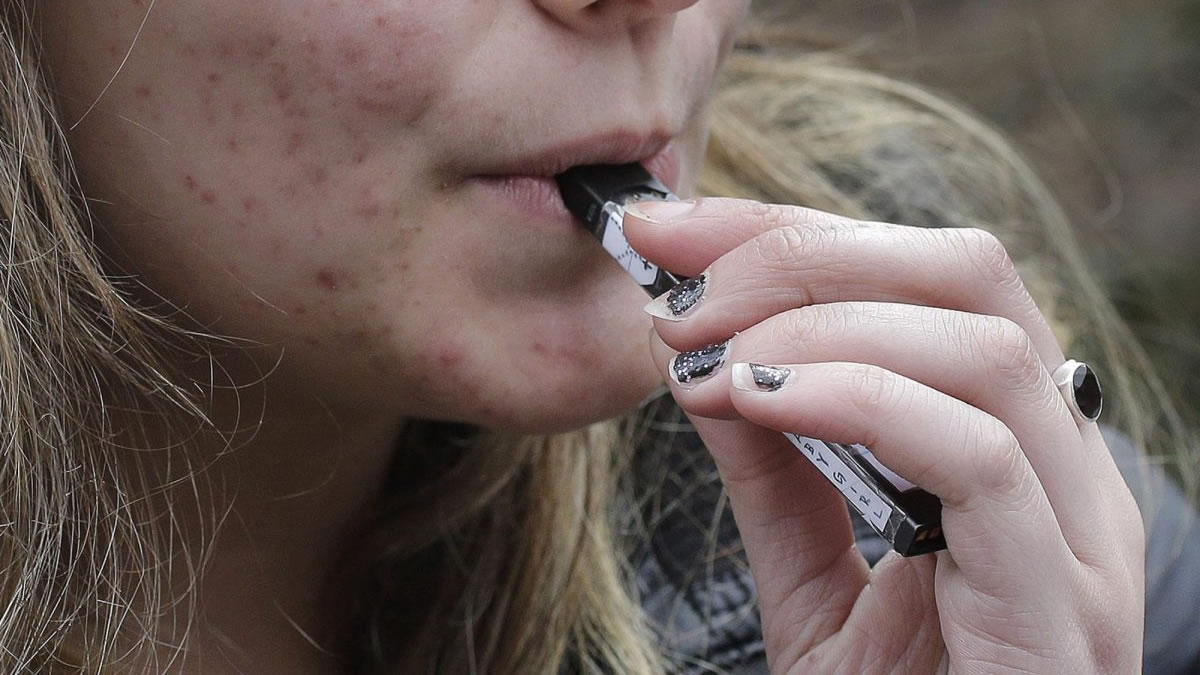

New research indicates that vaping disrupts critical biological functions in the lungs, specifically harming proteins used in the immune response and the body’s ability to fight foreign chemicals. An LSU inhalation scientist explains that e-cigarette aerosols, containing substances like propylene glycol, nicotine salts, and heavy metals, pose risks not only to users but also to bystanders through secondhand exposure.
Key Takeaways:
- Immune Disruption: Vaping harms lung proteins needed to fight disease.
- Chemical Cocktail: E-liquids contain nicotine, heavy metals (nickel, lead), and base humectants.
- Nicotine Evolution: Market shift from freebase to potent nicotine salts and synthetic nicotine.
- Secondhand Risk: Aerosols release chemicals endangering children and bystanders.
The British Medical Journal has confirmed that exposure to e-cigarette aerosol can significantly disrupt biological functions in the lungs intended to fight diseases. This development occurs amidst growing concerns over the long-term effects of vaping, directly resulting in new warnings from scientists about the harm to immune response proteins and the risks of secondhand exposure.
The Science: How Vaping Attacks Lung Defenses
While the long-term effects of e-cigarettes are still being unraveled, this new study sheds light on the immediate biological impact. The research found that vape vapor harms the proteins crucial for the immune response, as well as the body’s ability to respond to xenobiotics—foreign chemicals that enter the system.
Alexandra Noël, director of the Inhalation Research Facility at the LSU School of Veterinary Medicine, specializes in studying the effects of inhaled environmental pollutants. She breaks down the composition of the e-liquids causing this harm:
“E-liquid is the liquid found in an e-cigarette device that is used to create the aerosol… containing what we call the base humectant that is named propylene glycol, vegetable glycerine and most of the time, nicotine,” Noël explained.
From Freebase to Nicotine Salts: A Potent Evolution
The study utilized Juul Labs vapes, which typically use freebase nicotine. However, Noël points out that the market has evolved towards even more potent formulations found in modern disposable devices.
| Nicotine Type | Characteristics | Common Use |
|---|---|---|
| Freebase Nicotine | Harsher throat hit, slower absorption. | Older cartridges, high-wattage mods. |
| Nicotine Salts | Smoother hit, high concentration, fast-acting. | Modern disposables, pod systems. |
| Synthetic Nicotine | Lab-made, tobacco-free, high purity. | Newer disposable devices. |
Many current disposables are packed with 20 mg/mL of nicotine and can contain heavy metals like nickel and lead, contributing to both health risks and ecological damage via single-use lithium-ion batteries.
The Hidden Danger: Secondhand Aerosol
A common misconception is that secondhand vape is harmless water vapor. Noël refutes this, stating, “There’s definitely an exposure to second-hand e-cigarette aerosol that could impact the bystander, and that includes, you know, babies at home, children, etc.”
Studies have shown that the air around vapers contains levels of nicotine and other chemicals. This aligns with CDC warnings that secondhand smoke exposure increases the risk of asthma and respiratory infections in children.
Youth Perspectives and the Flavor Trap
LSU student Leia Frazier’s experience highlights the social drivers of vaping. Starting in high school to look “cool,” she eventually quit after seeing graphic evidence of health consequences online. “People just don’t care because they think it wouldn’t happen to them,” Frazier noted.
Noël emphasizes that flavors are a primary hook for children and supports a ban on all flavors except tobacco and menthol to aid adult cessation while protecting youth. Frazier agrees that visual evidence of harm is often necessary to break the cycle of addiction.