
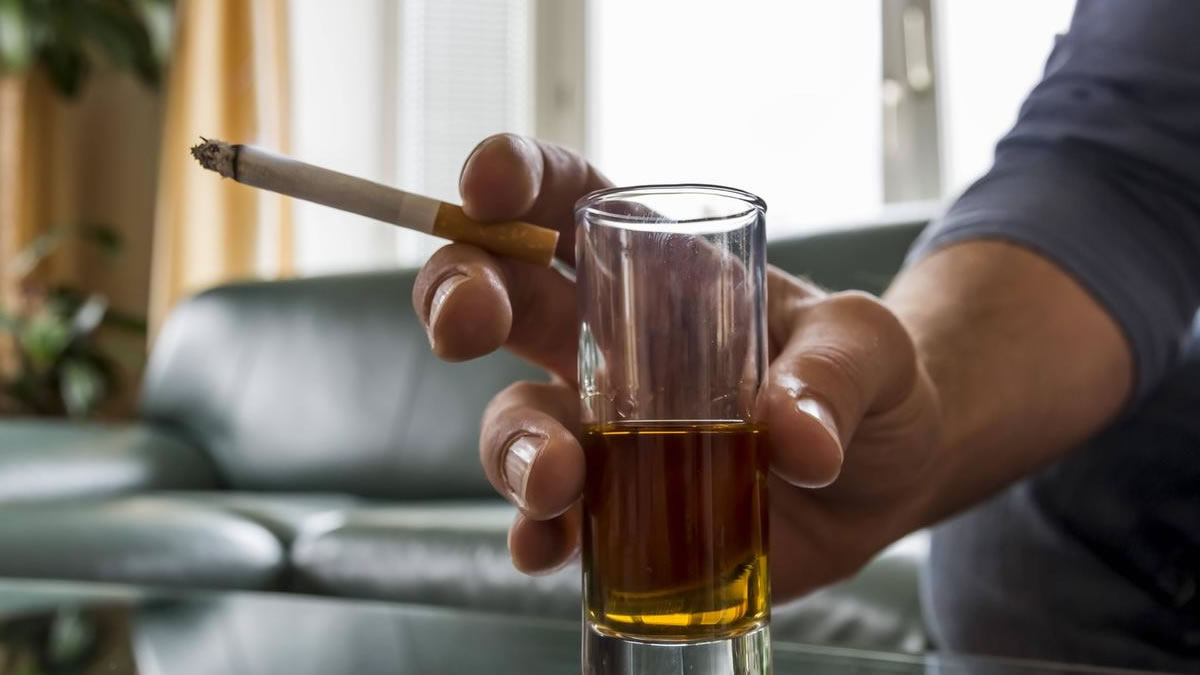

There is no safe threshold for smoking or alcohol consumption when it comes to cancer risk; the danger begins immediately. Smoking remains the single greatest preventable cause of cancer, while alcohol consumption is linked to at least six types of cancer due to cellular damage from acetaldehyde. Reducing or eliminating these habits is the most effective way to lower your risk.
Key Takeaways:
- Smoking Danger: Active smoking is the top cancer risk; screenings will be covered by insurance from April 2026.
- Passive Risk: Secondhand smoke increases cancer and stroke risk by up to 30%.
- Alcohol Impact: Any alcohol consumption raises cancer risk, affecting DNA and hormone levels.
- Vaping Uncertainty: E-cigarettes are safer than smoking but still pose lung risks and addiction dangers for youth.
Cancer risk factors refer to elements that increase the likelihood of developing malignant diseases, many of which are lifestyle-dependent. While genetics play a role, substances like tobacco and alcohol are potent carcinogens that damage DNA and disrupt cellular function, making lifestyle choices critical for prevention.
Smoking: The Leading Preventable Cause of Cancer
Smoking is unequivocally the most significant risk factor for cancer. The stories of individuals like Julia, Anastasia, and Klaus highlight the addictive nature of tobacco, often starting from peer pressure or the desire to be “cool.”
For long-term smokers like Klaus, who has smoked for 45 years, the health implications are severe. However, a new initiative starting in April 2026 will see health insurance covering lung cancer screenings, offering a crucial opportunity for early detection and intervention.
The Hidden Threat of Passive Smoking
The danger isn’t limited to the smoker. Passive smoking, or inhaling sidestream smoke, is a serious health hazard often underestimated by the public.
- Health Impact: Increases the risk of cancer and stroke by up to 30%.
- Mechanism: Bystanders inhale toxic chemicals exhaled by smokers or from smoldering cigarettes.
- Education Need: Greater awareness is urgent, especially to protect young people from involuntary exposure.
E-Cigarettes: A Safer Alternative or New Risk?
Vaping has surged in popularity, particularly among Gen Z and Millennials, with 27% vaping regularly. While often viewed as a harm reduction tool, they are not risk-free.
Ute Mons from the German Cancer Research Center explains the nuance:
| Aspect | Traditional Cigarettes | E-Cigarettes (Vapes) |
|---|---|---|
| Carcinogens | High levels of tar and toxins | Significantly fewer, but not zero |
| Primary Risks | Lung cancer, COPD, heart disease | Lung irritation, nicotine addiction |
| Vulnerable Groups | All ages | Youth (developing respiratory systems) |
Long-term studies are still lacking, but the potential for lung damage and addiction remains a significant concern.
Alcohol: The Underestimated Carcinogen
Unlike smoking, the cancer risks of alcohol are frequently overlooked. Alcohol is a direct cause of at least six types of cancer, including breast and liver cancer.
The primary culprit is acetaldehyde, a breakdown product of alcohol that damages DNA and prevents repair. Additionally, alcohol affects hormonal balances, further driving cancer growth. Experts emphasize that there is no safe limit; any consumption increases risk.
Everyday Toxins: Cosmetics and Personal Care
Beyond lifestyle habits, everyday products like sunscreens and deodorants can harbor hidden dangers. Ingredients such as parabens, phthalates, and titanium dioxide (banned in EU food since 2022 but still used in cosmetics) are suspected carcinogens. Awareness of these substances is another layer of cancer prevention.