

Vaping and heated tobacco products pose significant health risks due to the inhalation of toxic chemicals like acrolein, heavy metals, and carcinogens. They are linked to severe lung conditions such as EVALI and “popcorn lung,” and their use is alarmingly high among Ukrainian youth. Health officials warn that these products are not harmless alternatives to smoking.
Key Takeaways:
- Youth Epidemic: Over 70% of smokers aged 18-29 use electronic devices; 20% of teens aged 13-15 are current users.
- Toxic Ingredients: Aerosols contain herbicides, heavy metals (lead, nickel), and carcinogens like formaldehyde.
- Severe Diseases: Linked to EVALI, lipoid pneumonia, and bronchiolitis obliterans (“popcorn lung”).
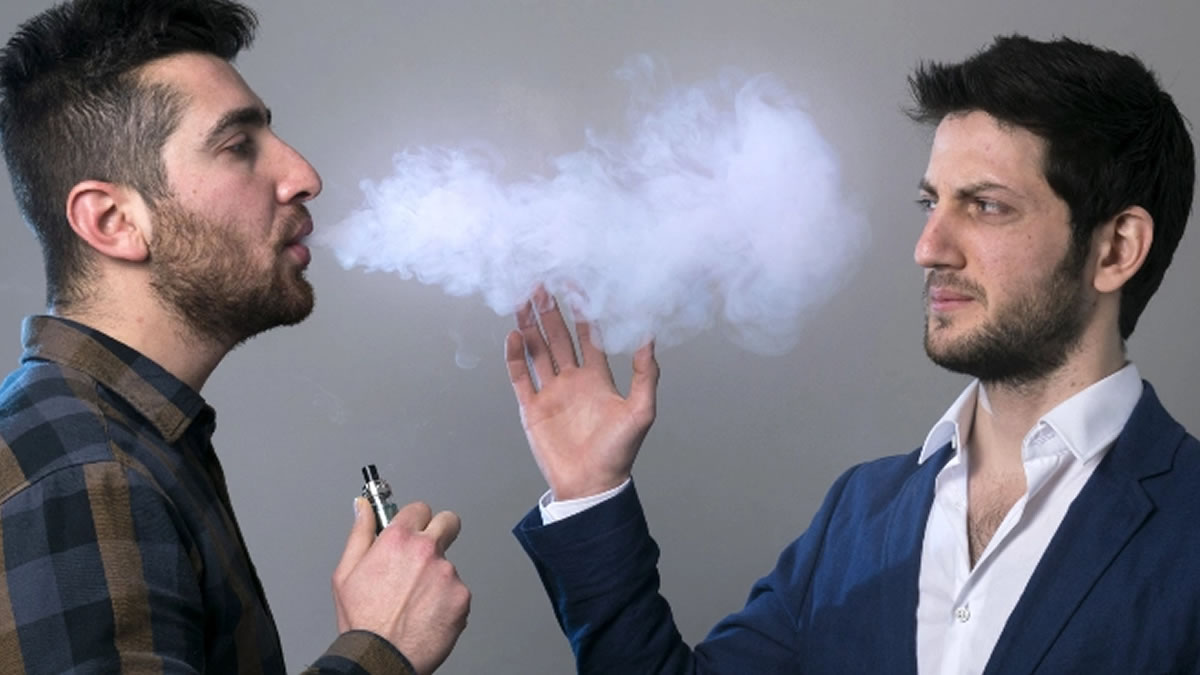
- Secondhand Risk: Exhaled aerosol exposes bystanders to nicotine and toxins.
Electronic smoking devices are products that create an inhalable aerosol by heating a liquid or tobacco substrate, a process that releases a complex mixture of chemicals often including nicotine, heavy metals, and other toxins harmful to respiratory and cardiovascular health. The Public Health Center of Ukraine has issued a detailed clarification on these dangers amidst rising usage rates.
The Surge in Usage Among Youth and Young Adults
Recent survey data reveals a significant shift in consumption habits in Ukraine, particularly among younger demographics.
According to the Public Health Center:
- Young Adults (18-29): Over 70% of daily smokers in this age group use electronic devices (37% use heated tobacco, 36% use e-cigarettes).
- Teens (13-15): 40% have tried e-cigarettes, and roughly 20% are current users.
- Older Teens (15-16): Half have experimented with vaping, with nearly one in five (19%) using them in the last 30 days.
Toxic Cocktail: What’s Really in the Aerosol?
Contrary to popular belief, the “vapor” is not harmless water. It is a chemical aerosol. While base ingredients like propylene glycol and glycerin are used for flavor, they can become toxic when heated.
Other dangerous substances identified include:
| Substance | Potential Health Impact |
|---|---|
| Acrolein | A herbicide that can cause irreversible lung damage. |
| Diacetyl | Flavoring agent linked to “popcorn lung” (bronchiolitis obliterans). |
| Formaldehyde | Known carcinogen. |
| Heavy Metals | Nickel, tin, lead, cadmium; cause respiratory and systemic harm. |
| Benzene | Found in car exhaust; affects cardiovascular/respiratory systems. |
Specific Lung Diseases Linked to Vaping
The use of these devices has been associated with several specific and severe pathologies:
- EVALI (E-cigarette or Vaping Product Use-Associated Lung Injury): A severe lung condition characterized by shortness of breath, cough, and fever. The 2019 US outbreak saw thousands of cases and dozens of deaths.
- Bronchiolitis Obliterans (“Popcorn Lung”): A disease damaging the small airways, often triggered by inhaling diacetyl used in flavorings.
- Lipoid Pneumonia: Inflammation caused by inhaling oily substances found in some e-liquids.
- Primary Spontaneous Pneumothorax: Lung collapse due to ruptured alveoli, with higher risk in tall, thin young men who smoke or vape.
Secondhand Exposure and Cessation Myths
The risks extend to bystanders. The aerosol exhaled by users contains nicotine and toxins, posing a threat to those nearby.
Furthermore, health officials stress that the effectiveness of e-cigarettes as a smoking cessation tool remains unproven, while the evidence of their harm continues to grow.