
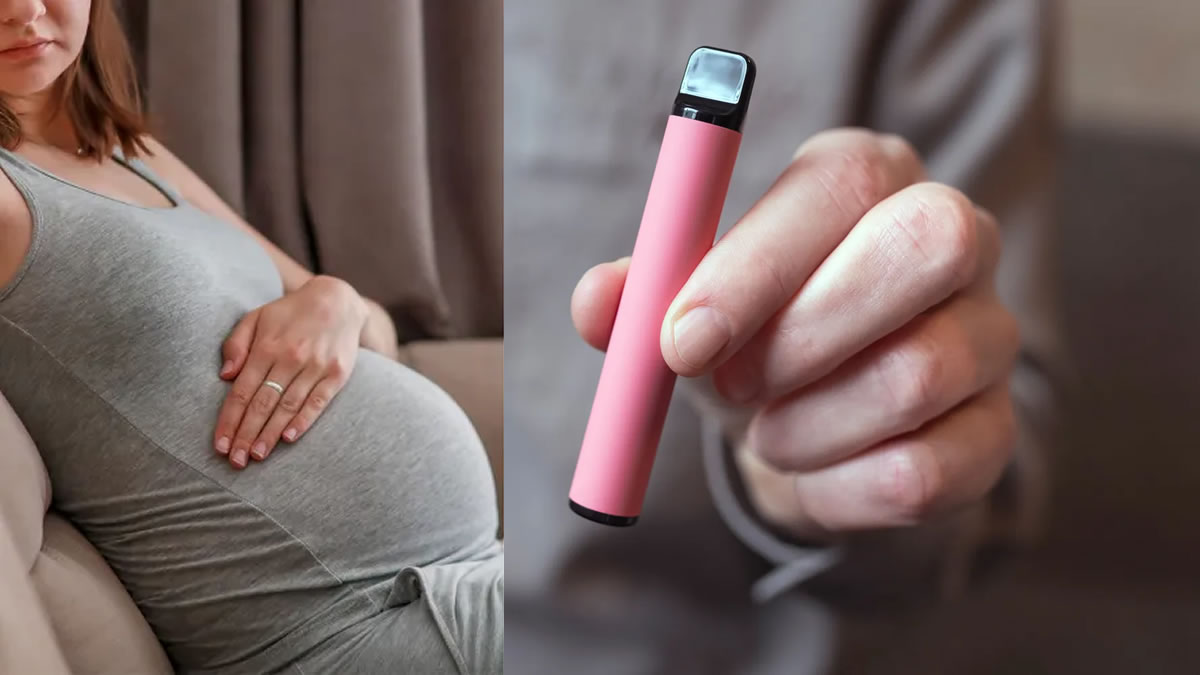

Vaping is often mistakenly perceived as a harmless water vapor alternative to smoking, but scientific evidence contradicts this. It involves inhaling aerosols containing toxic substances like nicotine, heavy metals, and formaldehyde, which can lead to addiction, respiratory issues, and cardiovascular problems. Medical experts warn it is not a recommended cessation tool and can act as a gateway to traditional smoking for youth.
Key Takeaways:
- Not Just Vapor: E-cigarettes emit aerosols with toxic chemicals, not harmless water vapor.
- Addiction Risk: Most vapes contain nicotine, highly addictive and harmful to developing brains.
- Health Impact: Linked to asthma, bronchitis, COPD, and potential heart risks.
- Ineffective Cessation: Often leads to dual use or continued nicotine dependence rather than total abstinence.
Vaping refers to the use of electronic cigarettes to inhale an aerosol, a practice growing rapidly among adolescents and young adults. Driven by discreet designs, sweet flavors, and social media marketing, many users fall for the dangerous misconception that they are simply inhaling “water vapor.” However, the Argentine Association of Tobaccoology (AsAT) and other health organizations are sounding the alarm on the real risks hidden behind the cloud.
Debunking Common Vaping Myths
Despite their popularity, e-cigarettes are surrounded by misinformation. Here is a breakdown of the most persistent myths versus the scientific reality.
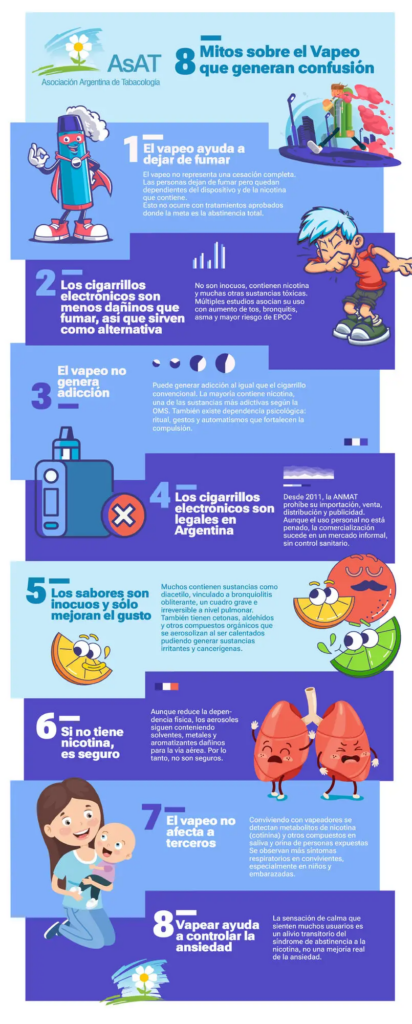
Myth 1: “Vaping helps you quit smoking.”
Fact: While some international studies suggest potential for cessation, efficacy relies on regulated, standardized products often unavailable in many markets (like Argentina, where sales are banned). The AsAT notes that success rates are often equal to or lower than approved treatments like nicotine replacement therapy (NRT) or Bupropion. Furthermore, vaping often doesn’t lead to complete cessation; users simply swap one delivery method for another, remaining dependent on nicotine and the device, unlike approved treatments aiming for total abstinence.
Myth 2: “It’s just harmless water vapor.”
Fact: E-cigarettes do not emit water vapor. They produce an aerosol containing solvents, heavy metals, aldehydes, nicotine, and ultrafine particles. These compounds are irritants and potentially carcinogenic. Use is associated with increased coughing, bronchitis, asthma, and a higher risk of Chronic Obstructive Pulmonary Disease (COPD). Serious conditions like EVALI (e-cigarette or vaping use-associated lung injury) have also been reported.
Myth 3: “Vaping isn’t addictive.”
Fact: E-cigarettes can generate addiction just like conventional cigarettes. Most contain nicotine, one of the most addictive substances identified by the WHO. Additionally, the psychological dependence—the rituals, gestures, and habits—reinforces the compulsion to use.
Myth 4: “Flavors are safe and just for taste.”
Fact: Flavorings are a major health concern. Many contain diacetyl, a chemical linked to bronchiolitis obliterans (“popcorn lung”), a severe and irreversible lung disease. When heated, flavorings can break down into irritants and carcinogens. These sweet flavors also dangerously lower the perception of risk, making products more attractive to teens.
The Impact on Mental Health and Others
The consequences of vaping extend beyond the user’s lungs.
- Mental Health: While users may feel vaping calms them, this is often just the temporary relief of nicotine withdrawal symptoms. Studies indicate that e-cigarette users actually exhibit more symptoms of anxiety than non-users.
- Secondhand Exposure: Vaping affects those around you. Nicotine metabolites and other compounds have been found in the saliva and urine of people living with vapers. Increased respiratory symptoms are observed in cohabitants, posing specific risks to children and pregnant women.
Legal Status and Regulation
It is important to understand the legal context. In Argentina, for example, the National Administration of Medicines, Food and Medical Technology (ANMAT) has prohibited the import, sale, distribution, and advertising of e-cigarettes since 2011. While personal use isn’t penalized, the commercial market operates informally without sanitary controls, increasing the risk of unsafe products.
Protecting public health requires dismantling these myths. Vaping is not a safe alternative; it is a different delivery system for addiction and toxicity.