
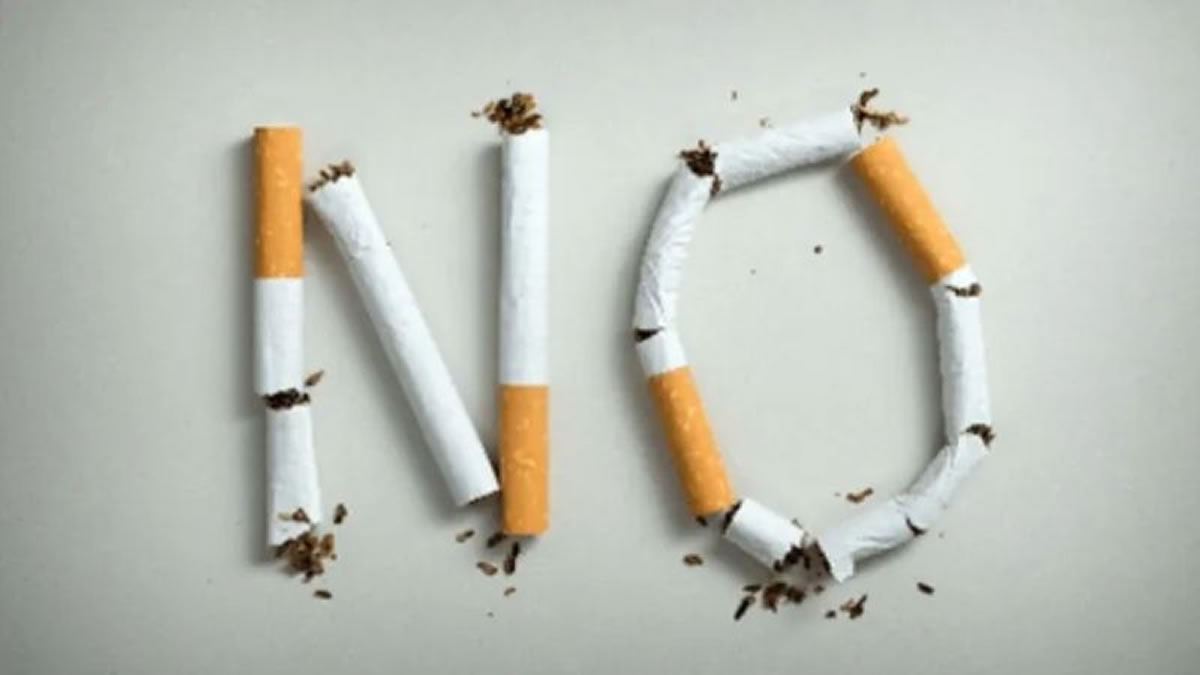

The World Health Organization (WHO), alongside global health partners, has mobilized for World No Tobacco Day on May 31 to curb a global epidemic that claims six million lives annually. This year’s campaign directly confronts the tobacco and nicotine industries’ aggressive strategies designed to trap younger generations in a lifetime cycle of addiction.
Scientific consensus confirms that lung cancer is the leading cause of tobacco-related deaths, and nearly 80% of these fatalities are entirely preventable by eliminating tobacco consumption. Beyond respiratory diseases, smoking significantly increases the risk of cardiovascular disease, heart attacks, and cancers of the mouth, throat, esophagus, and bladder.
Health specialists emphasize that the benefits of quitting extend far beyond physical health, citing key motivators such as financial savings, healthier skin, protecting loved ones from secondhand smoke, and setting a positive example for future generations.
The Rising Threat of Youth Nicotine Consumption
The scale of the youth nicotine epidemic has reached alarming levels. In countries where data is available, adolescents are, on average, nine times more likely to vape than adults. This shift represents a transition from traditional smoking to high-tech nicotine delivery systems.
| Adolescent Demographic (Ages 13–15) | Global User Count | Primary Risk Factor |
|---|---|---|
| Traditional Tobacco Users | 40 Million | Combustion-related cancers and cardiovascular diseases |
| E-Cigarette / Vape Users | 15 Million | Rapid brain addiction, chemical toxicity, and transition to smoking |
Under this year’s banner, “Unmasking the Appeal: Combating Tobacco and Nicotine Addiction,” health advocates are calling on families, schools, and local governments to recognize how modern nicotine products are flavored and designed to appeal to minors.
WHO’s Recommended Policy Interventions
To combat this crisis, the WHO urges policymakers worldwide to implement decisive regulatory measures:
- Ban Flavors: Eliminate characterizing flavors (such as fruit and candy) to make tobacco and vape products less appealing to minors.
- Regulate Product Design: Restrict designs to make devices less attractive, less addictive, and less toxic.
- Neutral Packaging: Mandate plain, standardized packaging to reduce brand appeal and highlight health warnings.
- Smoke-Free Spaces: Establish strictly tobacco- and nicotine-free public areas to protect the universal right to breathe clean air.
Ultimately, May 31 serves as a critical reminder that smoking is neither a necessity nor a harmless trend. Curbing this public health crisis requires continuous, aggressive policy action to protect both current smokers and the generations to come.