
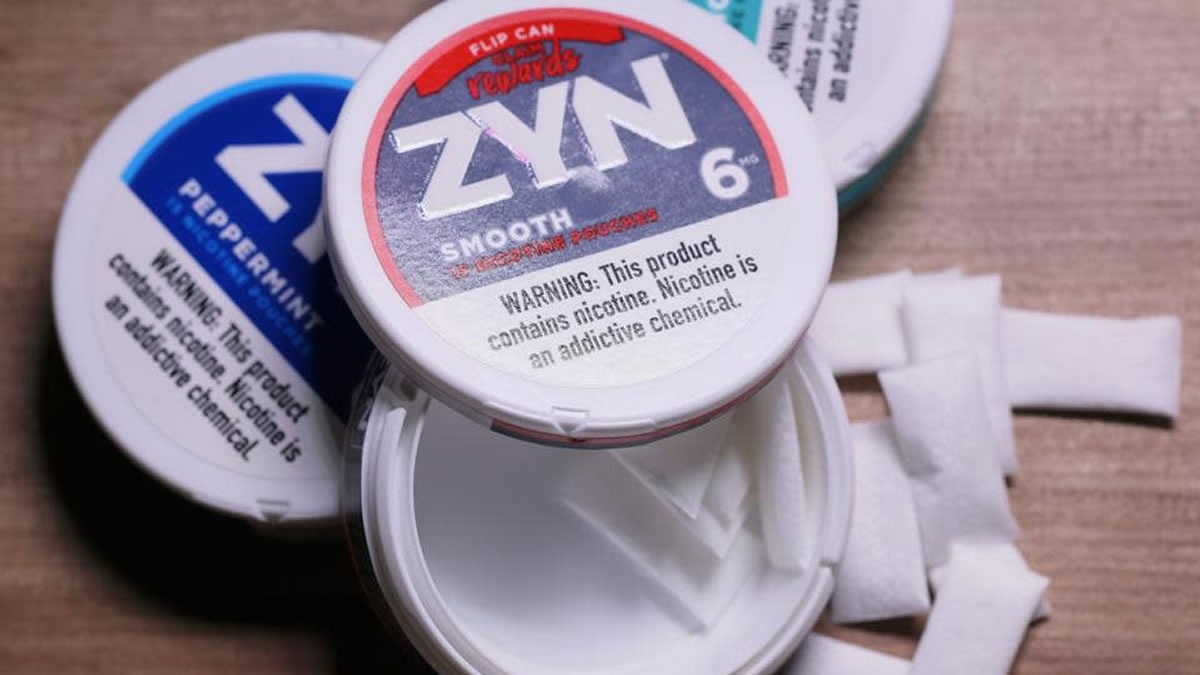

Nicotine pouches like Zyn and VELO are not entirely safe, though they are considered less harmful than combustible cigarettes. While they eliminate exposure to tar and carbon monoxide, they deliver highly addictive nicotine, pose significant oral health risks (like gum disease and recession), and carry unknown long-term cardiovascular and cancer risks, making them particularly dangerous for youth and non-smokers.
Key Takeaways:
- Highly Addictive: Pouches deliver nicotine efficiently, often exceeding the absorption of a cigarette.
- Oral Health Risks: Direct contact causes gum irritation, recession, and potential lesions.
- Youth Epidemic: Usage among teens doubled from 2023 to 2024, threatening brain development.
- Harm Reduction: They may help adult smokers quit, but dual use (smoking and pouching) remains common.
Medical experts are raising alarms over the safety of nicotine pouches like Zyn and VELO as their popularity explodes across the United States. This development occurs amidst a staggering 200% increase in monthly sales between early 2023 and 2025, directly resulting in a new wave of nicotine addiction, particularly among adolescents, and prompting urgent questions about long-term health consequences.
How Do Nicotine Pouches Work and Are They Addictive?
Nicotine pouches are small, tea-bag-like sachets containing a powder mixture of nicotine salts, plant-based fibers, flavorings, and pH adjusters. Users tuck them between the upper lip and gum, allowing the nicotine to dissolve through the pouch material and absorb directly across the oral mucosa into the bloodstream.
This delivery mechanism sets them apart from cigarettes (which burn tobacco to create tar and carbon monoxide) and vapes (which heat a liquid into an aerosol). However, the short answer to whether they are addictive is a resounding yes.
Pouches are highly efficient delivery vehicles. The pH adjusters enhance absorption, accelerating nicotine’s entry into the brain where it triggers reward pathways. Research shows that a 6 mg pouch can deliver more nicotine to the bloodstream after 30 minutes than smoking a cigarette. Regular users quickly develop a tolerance, requiring the drug primarily to avoid withdrawal symptoms like irritability and poor concentration rather than to achieve a “high.”
The Unknowns: Cancer and Cardiovascular Risks
Because nicotine pouches only entered the U.S. market widely around 2016, there are no longitudinal studies tracking users over the decades required to accurately measure cancer incidence.
The FDA authorized these products because they contain substantially fewer carcinogens than combustible tobacco, not because they are risk-free. Concerns remain because:
- Some pouches contain trace amounts of tobacco-specific nitrosamines (TSNAs), known carcinogens.
- Tests have found formaldehyde and heavy metals like nickel and chromium in certain products.
- The American Cancer Society notes that prolonged placement against delicate oral tissue creates a “pattern of concern” for repeated chemical exposure.
Regarding heart health, the American Heart Association issued a 2025 policy statement concluding that smokeless oral nicotine products carry potential adverse effects. Nicotine raises blood pressure, increases heart rate, and constricts blood vessels. While modest for healthy individuals, this repeated stress is clinically significant for those with hypertension or a history of heart disease.
Documented Danger: Oral Health Risks
Setting aside systemic risks, the mechanical and chemical effects of nicotine pouches on the mouth are well-documented and severe.
| Oral Health Issue | Cause / Mechanism |
|---|---|
| Irritation & Lesions | Holding the pouch against gum tissue causes direct inflammation and potential white mucosal lesions. |
| Gum Disease (Gingivitis) | Nicotine constricts blood vessels, reducing oxygen and nutrient delivery, impairing the gum’s ability to heal and fight infection. |
| Gum Recession | Chronic placement in the same spot causes gums to pull back, exposing roots and increasing sensitivity and decay risk. |
| Tooth Decay | Nicotine suppresses saliva production, which is crucial for neutralizing acids and protecting enamel. |
The Threat to Youth and the Harm Reduction Debate
Perhaps the most alarming trend is the rapid adoption by teenagers. Nicotine pouches are now the second most commonly used tobacco product among American youth. The 2024 National Youth Tobacco Survey reported approximately 480,000 middle and high school users, with over 22% using them daily. Data shows usage among 10th and 12th graders doubled in just one year (2023 to 2024), with Zyn dominating the market.
This is critical because the adolescent brain develops until age 25, and nicotine can severely disrupt circuits governing attention, learning, mood, and impulse control.
The strongest argument for pouches is tobacco harm reduction for adult smokers. Studies show they can substitute for cigarettes. However, switching entirely is not the norm; many users engage in “dual use,” continuing to smoke while using pouches. Among youth users, the vast majority also use at least one other tobacco product.
Ultimately, while nicotine pouches like Zyn and VELO are almost certainly less harmful than combustible cigarettes, they occupy a complicated position. For adult smokers seeking to quit, they may represent a viable harm-reduction option. But for everyone else, especially adolescents, the evidence is clear: these products carry genuine, addictive health risks.