
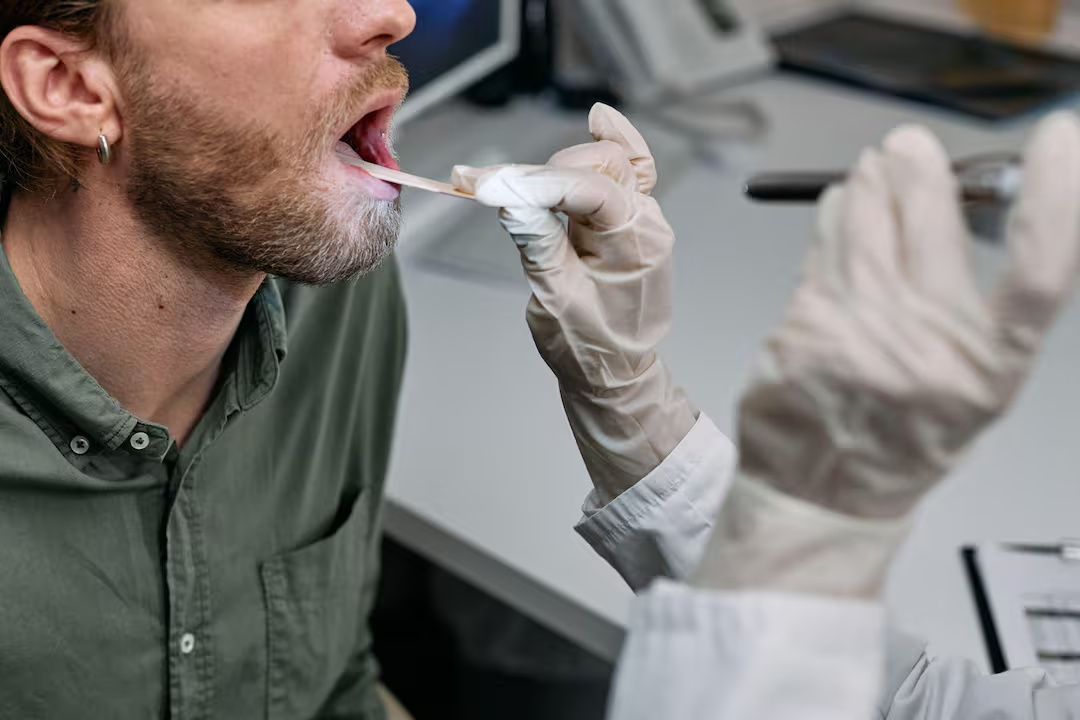

Medical experts have issued urgent warnings as oral cancer cases spike among young adults aged 25 to 45, a demographic historically considered low-risk. This alarming trend, heavily driven by the rising popularity of vaping, smoking, and smokeless tobacco, highlights a critical gap in public awareness regarding early symptoms.
Historically, oral cancer primarily affected individuals between the ages of 50 and 75. However, oncologists like Dr. Amit Chakraborty report a worrying shift toward younger demographics. The widespread adoption of vaping products, combined with traditional tobacco use and alcohol consumption, has accelerated risk factors for young adults. Poor oral hygiene further compounds these dangers, creating a fertile environment for malignant changes.
Unlike other cancers that present with immediate pain, oral cancer often begins silently. Seemingly harmless changes inside the mouth are frequently ignored until the disease reaches an advanced stage. Key warning signs to monitor include:
- Persistent mouth ulcers that do not heal within two weeks.
- White or red patches (leukoplakia or erythroplakia) on the gums, tongue, or mouth lining.
- Unexplained lumps, swelling, or thickening of the cheek.
- Difficulty chewing, swallowing, or moving the jaw and tongue.
- Persistent numbness, pain, or bleeding in the mouth.
To help individuals distinguish between minor mouth irritation and potential malignancy, medical professionals highlight key differences between standard ulcers and cancerous lesions:
| Feature | Normal Mouth Ulcer | Potential Cancerous Ulcer |
|---|---|---|
| Healing Time | Typically resolves within 3 to 4 days. | Persists for more than two weeks. |
| Progression | Remains stable in size and then shrinks. | Continues to grow, bleeds easily, or hardens. |
| Associated Symptoms | Minor localized discomfort. | Accompanied by red/white patches, numbness, or lumps. |
Despite the severity of the diagnosis, oral cancer is highly treatable if caught early. Patients diagnosed in the initial stages benefit from a survival rate of 80% to 90%. Regular dental checkups and self-examinations are vital tools in identifying suspicious changes before they progress, turning a potentially fatal disease into a manageable condition.