
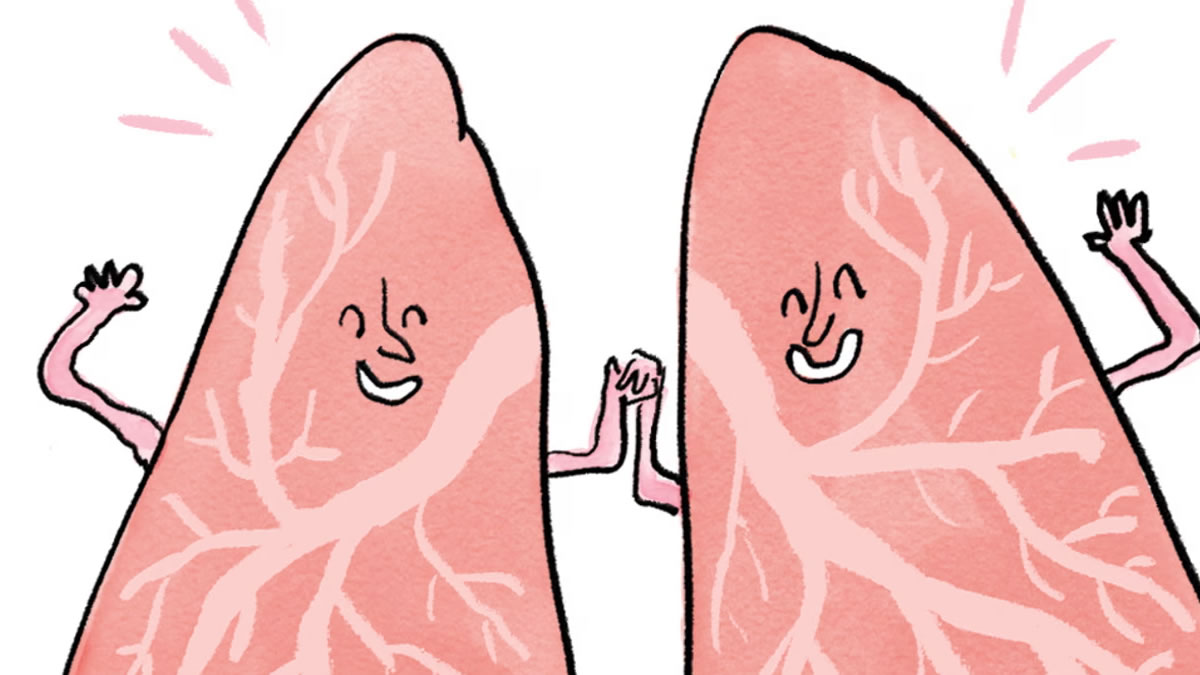

Dr. Charlotte Dean, head of the lung development and disease group at Imperial College London, confirms that human lungs possess a remarkable ability to regenerate after a person quits smoking. While previously thought impossible, this natural healing process helps reverse damage, though experts warn that some long-term effects remain permanent.
Lungs evolved to handle environmental threats like pollution, bacteria, and viral infections. Because they are vital for survival, they developed a substantial capacity to self-repair when exposed to toxins.
However, this regenerative ability is not an excuse to continue smoking or vaping. These habits overwhelm the respiratory system with more toxic particles than it can process. Furthermore, healing capacity varies wildly among individuals, making some people highly susceptible to permanent tissue damage.
Even after quitting, former smokers are not entirely “out of the woods.” Lingering health risks include:
- Genetic Mutations: Smoking can trigger cellular changes that increase the long-term risk of cancer.
- Accelerated Decline: Permanent tissue damage can cause overall lung function to deteriorate faster as you age.
To maximize recovery, Dr. Dean urges smokers to quit as early as possible before the body’s natural repair mechanisms slow down with age. Adopting a healthy lifestyle, particularly regular exercise, is also essential. Just like muscles, lungs benefit from physical activity, which builds the capacity for more effective gas exchange throughout the body.