
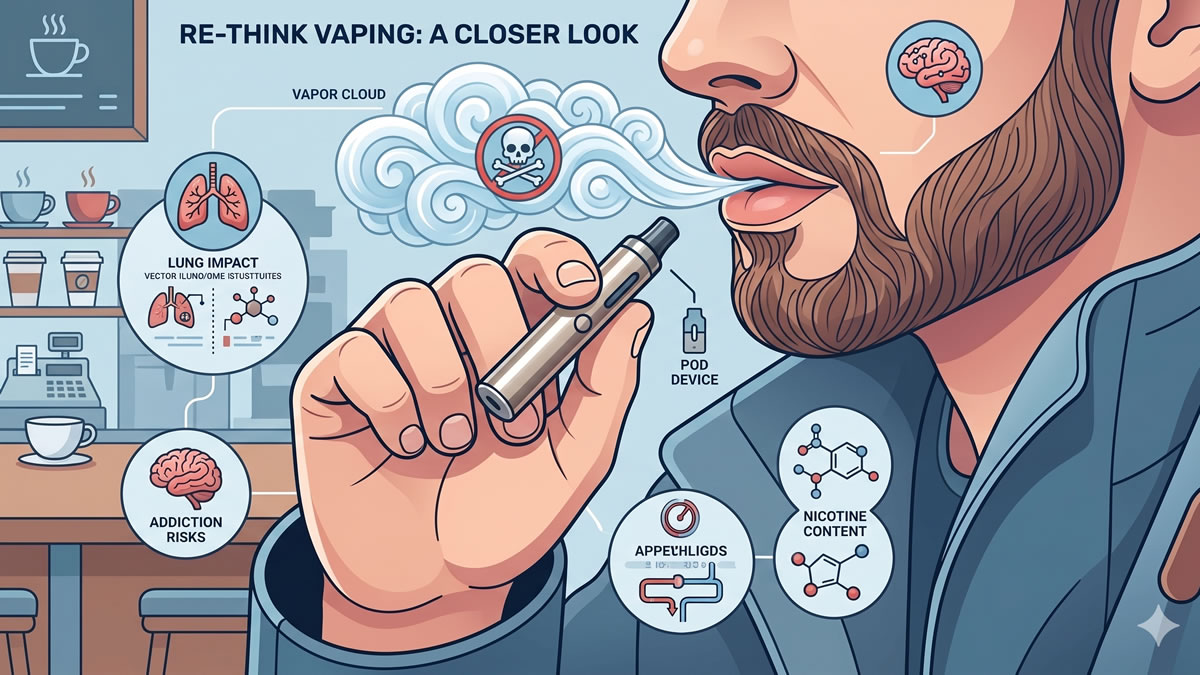

Medical experts from the Cleveland Clinic are issuing stark warnings that zero-nicotine e-cigarettes carry significant health risks, debunking the popular belief that they are a safe alternative to traditional tobacco. This rising trend, particularly among teenagers and adults trying to quit smoking, is unknowingly exposing users to invisible toxins that directly threaten respiratory and cardiovascular health.
According to Cleveland Clinic pulmonologist Dr. Angela Wang, there is no completely safe method of vaping. The vapor inhaled from these devices carries volatile organic compounds and heavy metals deep into the lungs and bloodstream, triggering inflammation, oxidative stress, and blood vessel damage.
Furthermore, Dr. Wang cautions that a “nicotine-free” label is often unreliable. Due to a lack of strict quality control, cross-contamination during production, or intentionally deceptive marketing, users may still be inhaling highly addictive nicotine without their knowledge.
The Hidden Dangers in “Harmless” Ingredients
While the liquids used in zero-nicotine vapes lack the addictive stimulant, the carrier chemicals and additives present their own severe health hazards when heated and inhaled:
- Propylene Glycol: Commonly used in cosmetics, its effects on the lungs when vaporized are not fully understood. When heated, it degrades into formaldehyde and acetaldehyde, both classified as carcinogens.
- Vegetable Glycerin: While the FDA considers it safe for oral consumption, vaporizing it increases the risk of respiratory tract damage, liver issues, and potential cancer development.
- Artificial Flavorings: Many flavorings are approved as food additives, but scientific evidence shows they damage cellular tissue when inhaled. As Dr. Wang notes, “Just because something is edible doesn’t mean you should inhale it.”
- “Wellness” Additives: Ingredients like vitamins, herbs, and CBD are often added to attract health-conscious consumers, despite a severe lack of safety data regarding their inhalation.
Confirmed Health Risks and Persistent Myths
Many users turn to zero-nicotine vapes as a smoking cessation tool. However, the FDA has not approved these devices for this purpose. Instead, users are trading one set of risks for another.
The most immediate and severe threat is EVALI (e-cigarette or vaping use-associated lung injury), a specific condition that can require hospitalization and result in permanent or fatal lung damage.
Beyond EVALI, users face a multitude of physical risks:
- Device Malfunctions: Faulty batteries and overheating vapor can cause severe burns to the mouth and airways.
- Oral Health Degradation: Vaping is heavily associated with chronic dry mouth, gum irritation, and broader dental complications.
- Respiratory Distress: Chemical additives frequently trigger allergic reactions and severe lung irritation, particularly in individuals with pre-existing conditions like asthma.
After less than two decades on the market, the long-term consequences of zero-nicotine e-cigarettes remain under active investigation. Cleveland Clinic experts warn that it will take years to fully comprehend the extent of the health impacts, mirroring the historical trajectory of traditional tobacco research.
Because the lungs have a very limited capacity to heal from chemical scarring, the damage caused by vaping can be irreversible. Medical professionals stress that no trendy flavor or perceived wellness benefit justifies permanently compromising respiratory health.